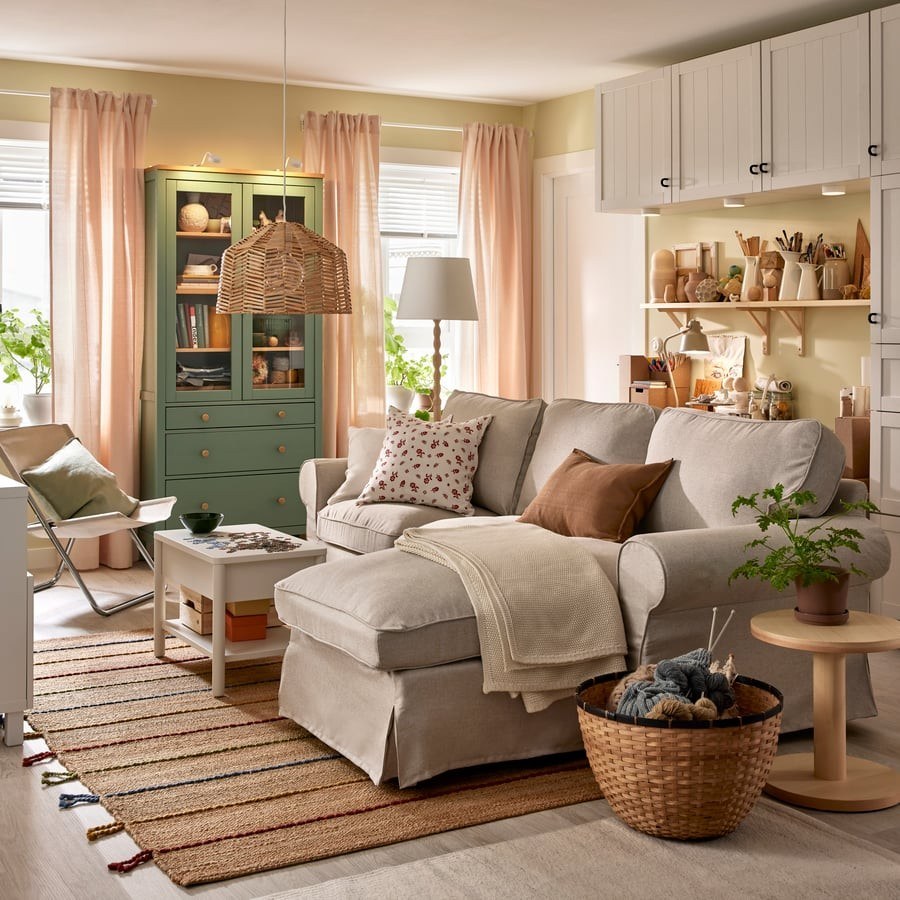
A mix of display, drawers, and closed cabinets supports hobbies beside relaxation.
Read More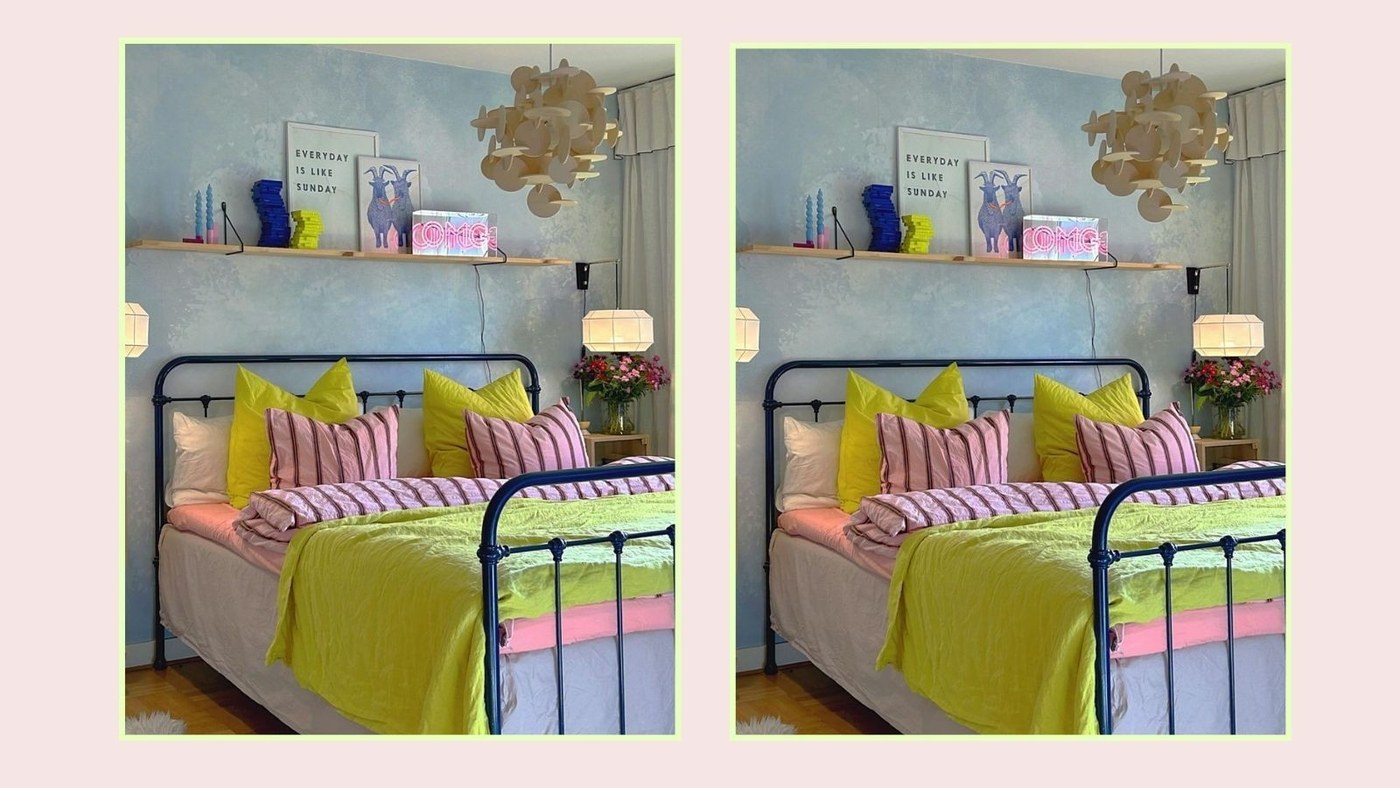
Integrated storage can reduce the need for additional freestanding pieces.
Read More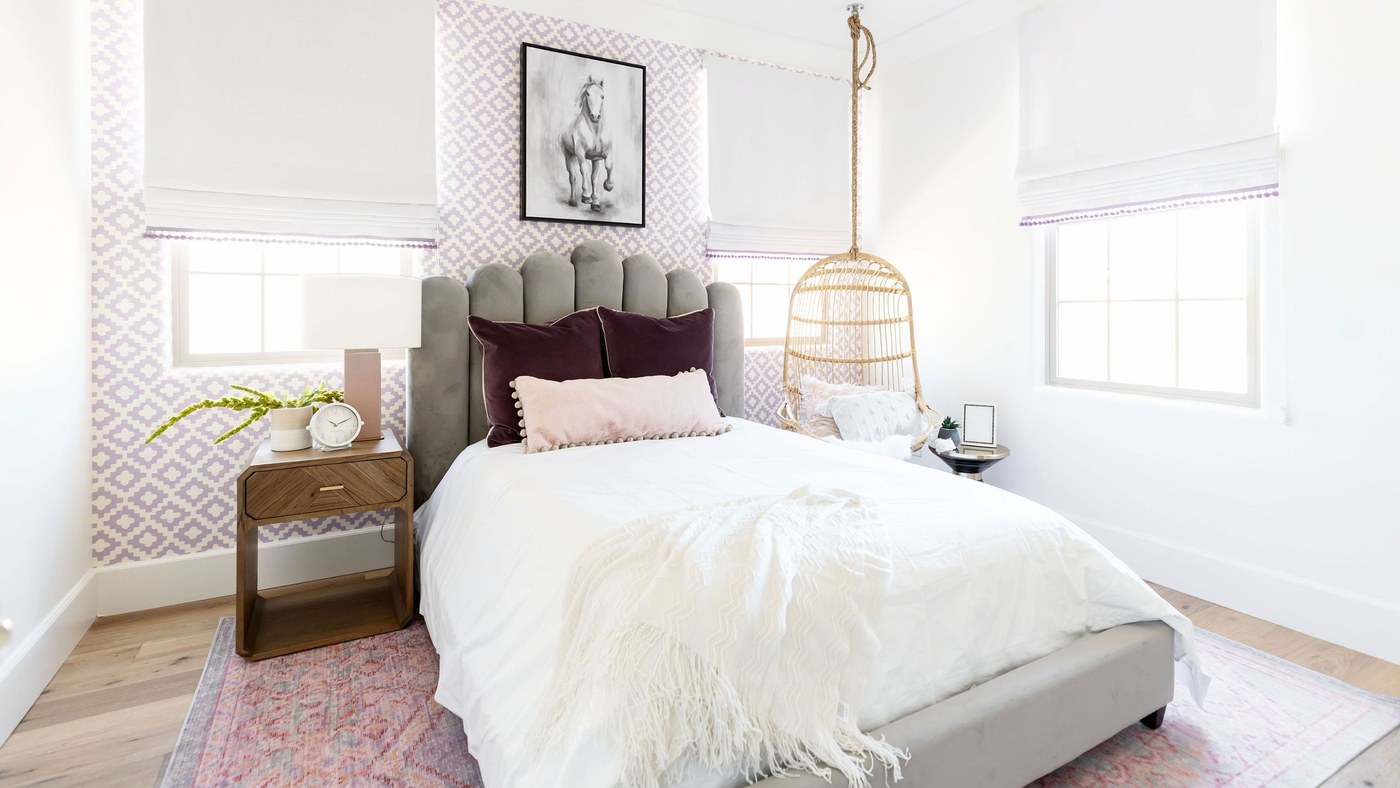
A compact room benefits from pieces whose size and function suit daily needs.
Read More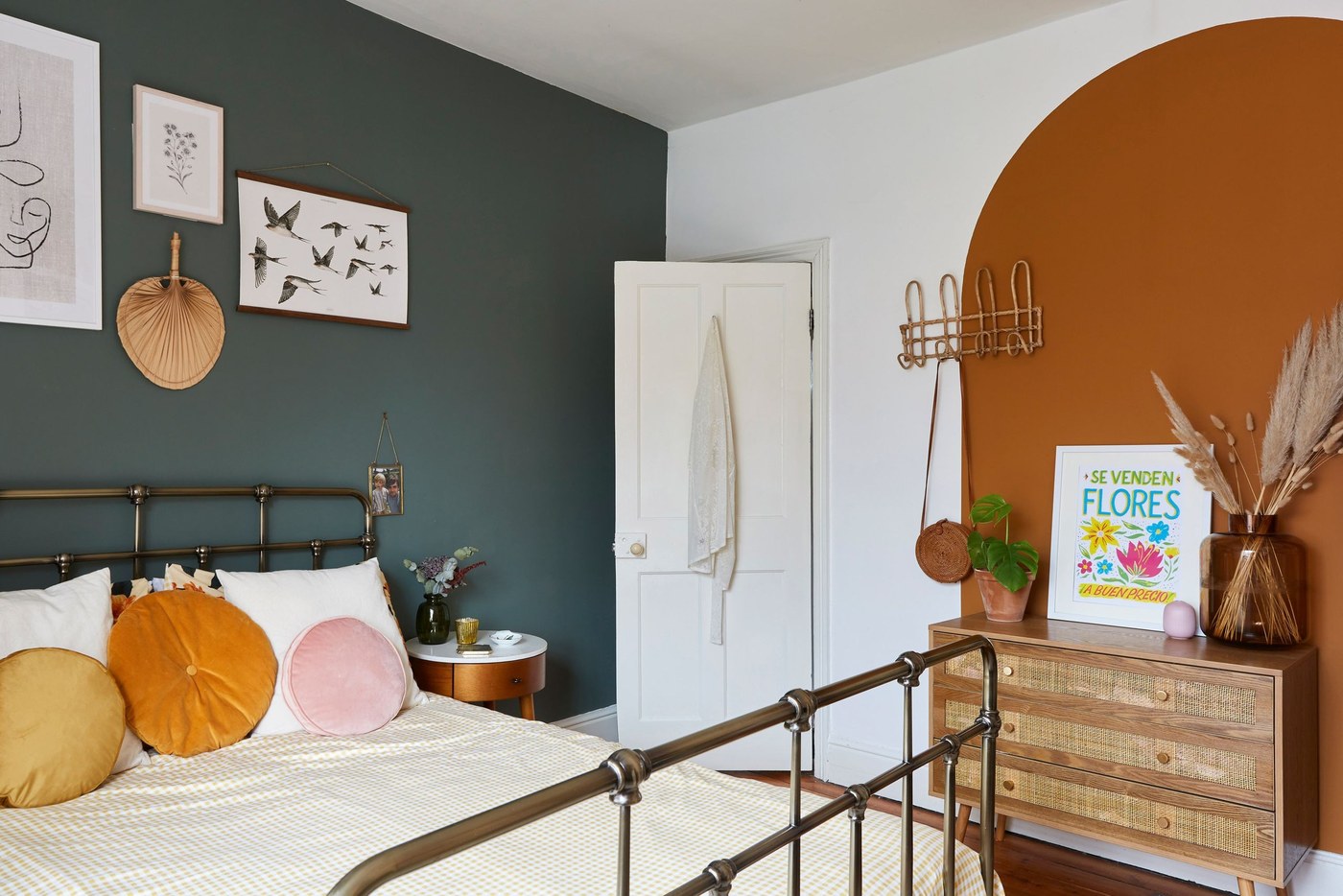
Furniture scale and a revised arrangement may improve a compact bedroom footprint.
Read More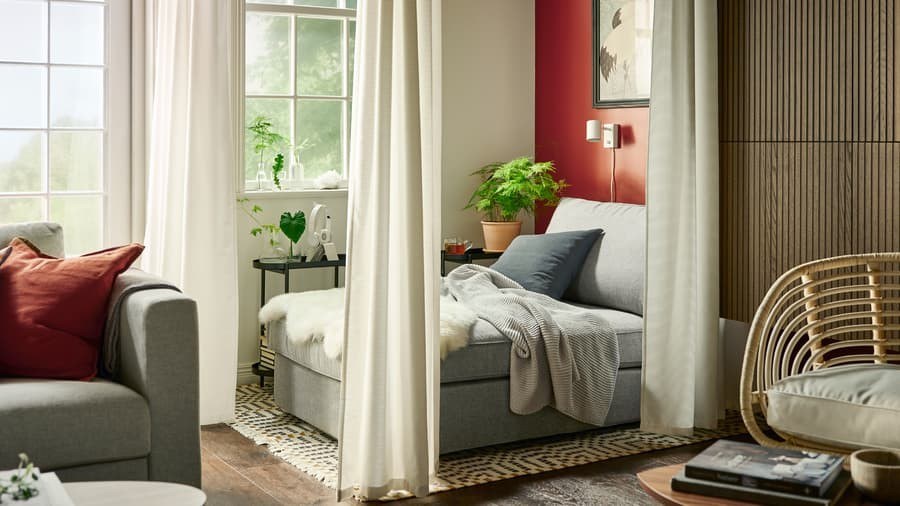
IKEA suggests using curtains to screen a comfortable chair or chaise lounge within a shared living room.
Read More
The seating guideline offers a starting point for balancing conversation and circulation.
Read More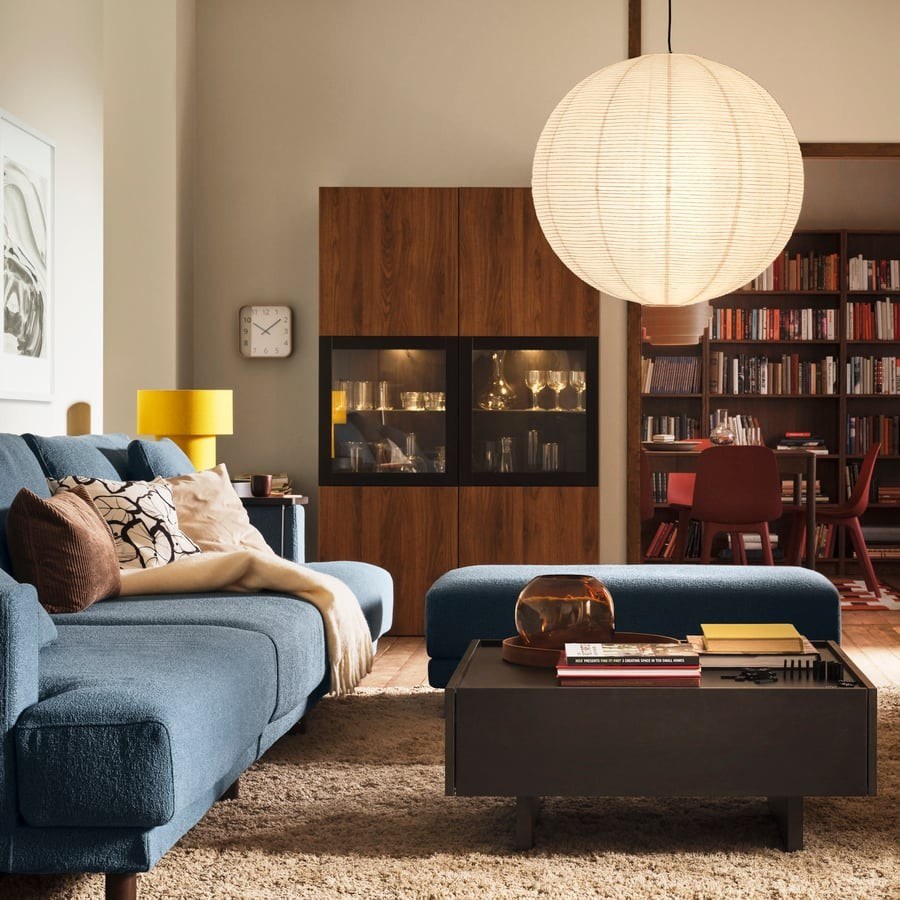
Seating, pet space, and concealed accessories can reflect actual household routines.
Read More
A central sofa can establish zones while tables and lighting support individual uses.
Read More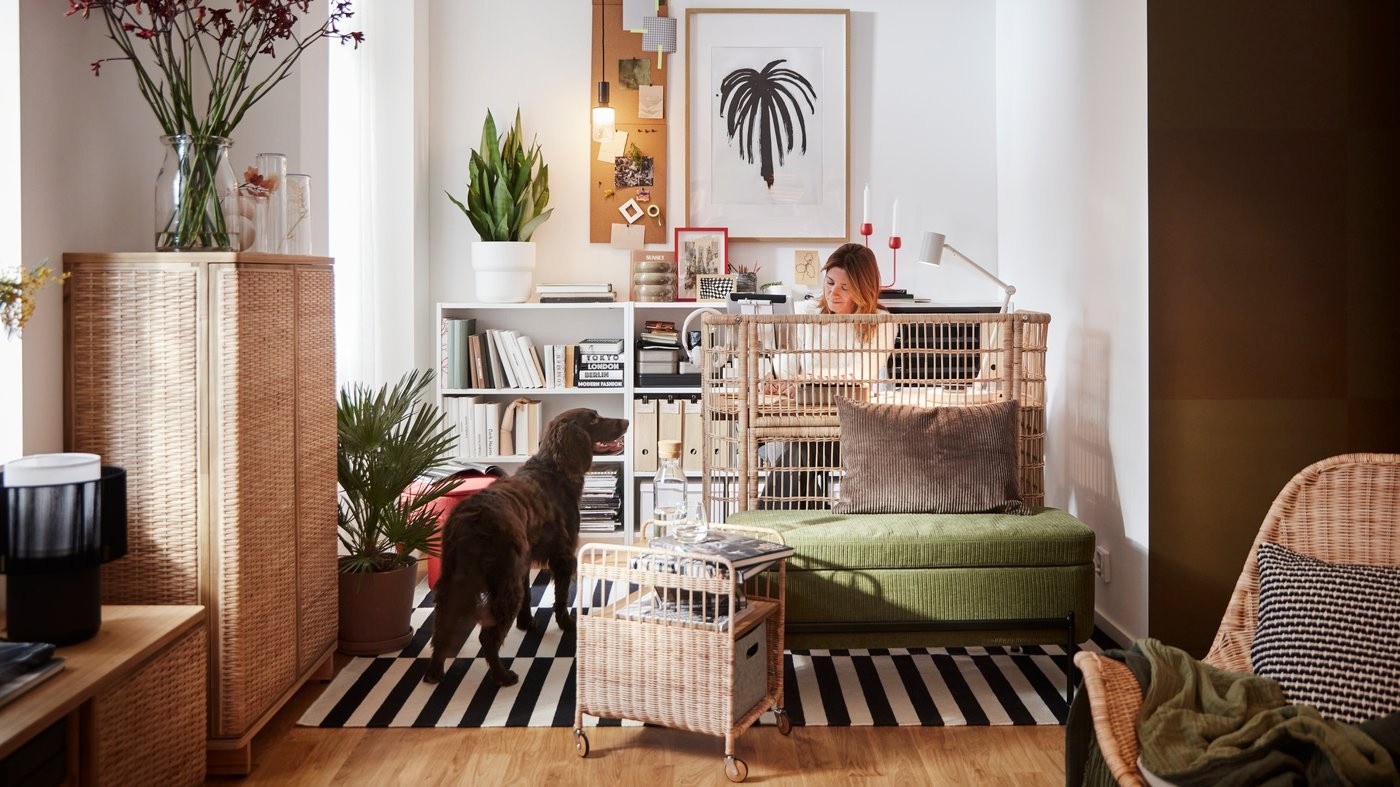
IKEA's coordinated desk alcove uses rattan and light wood to connect the work area with surrounding furniture.
Read More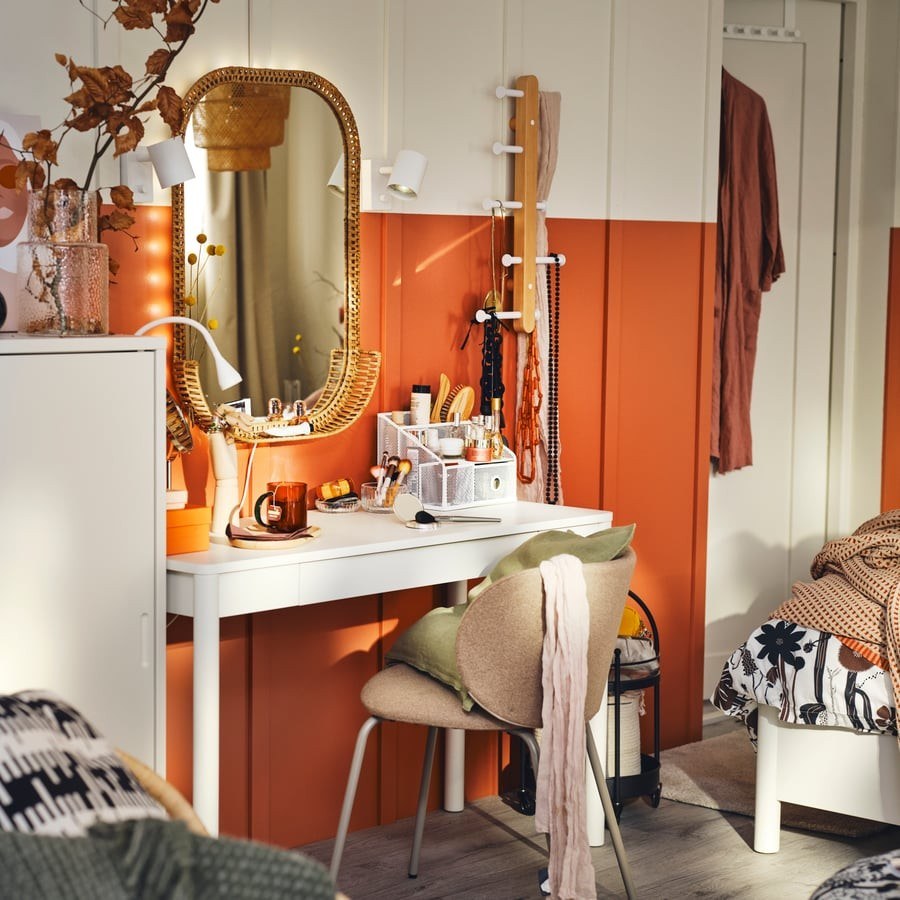
A mirror and organized surface can turn existing furniture into a grooming station.
Read More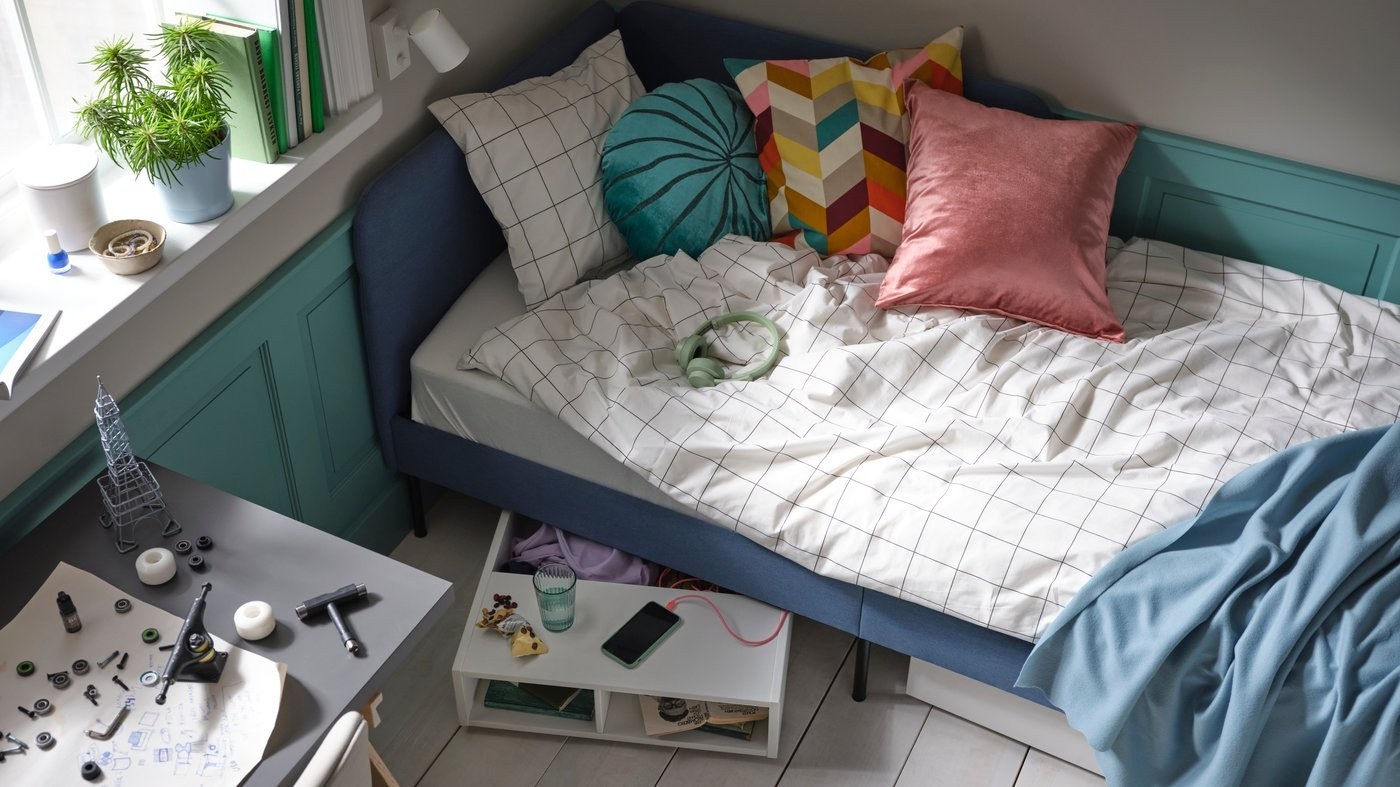
Reading, dressing, and daytime lounging can share a compact furniture arrangement.
Read More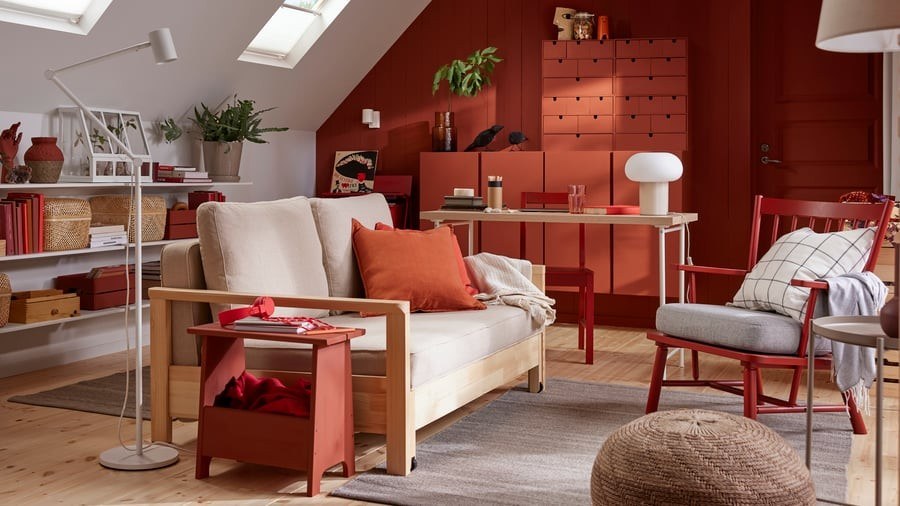
Coordinated cabinets and a window-side retreat can balance group and individual use.
Read More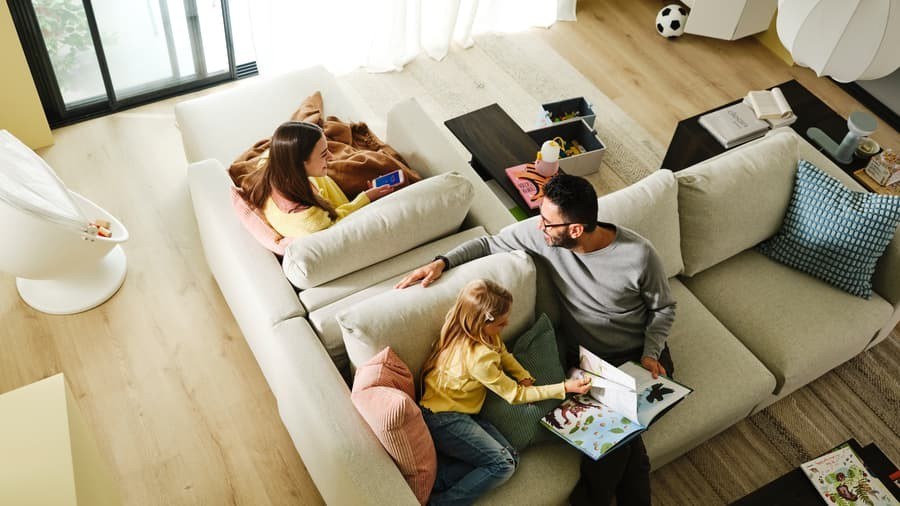
Portable work and play equipment helps one room change roles.
Read More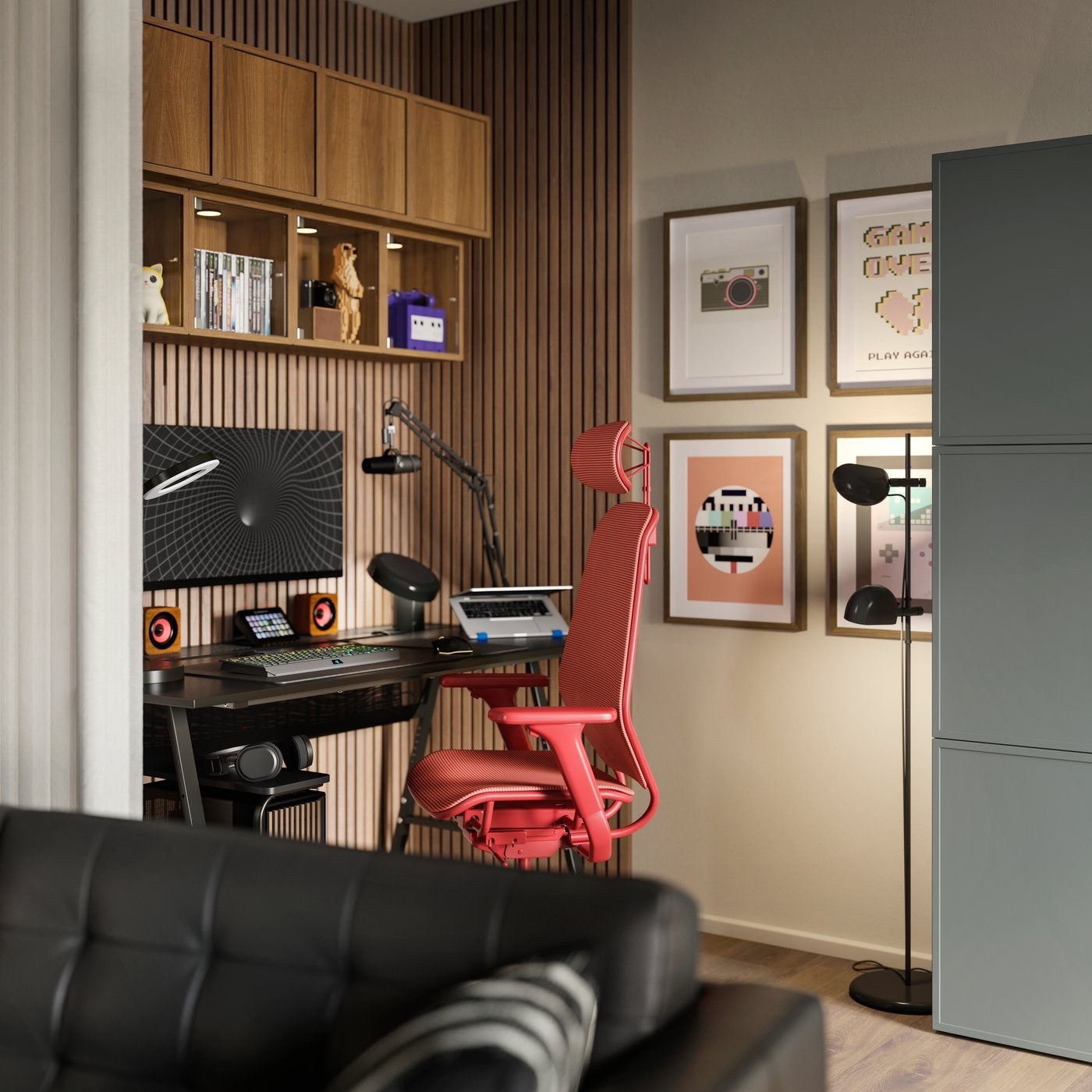
Furniture and small-item storage can support games without taking over the room.
Read More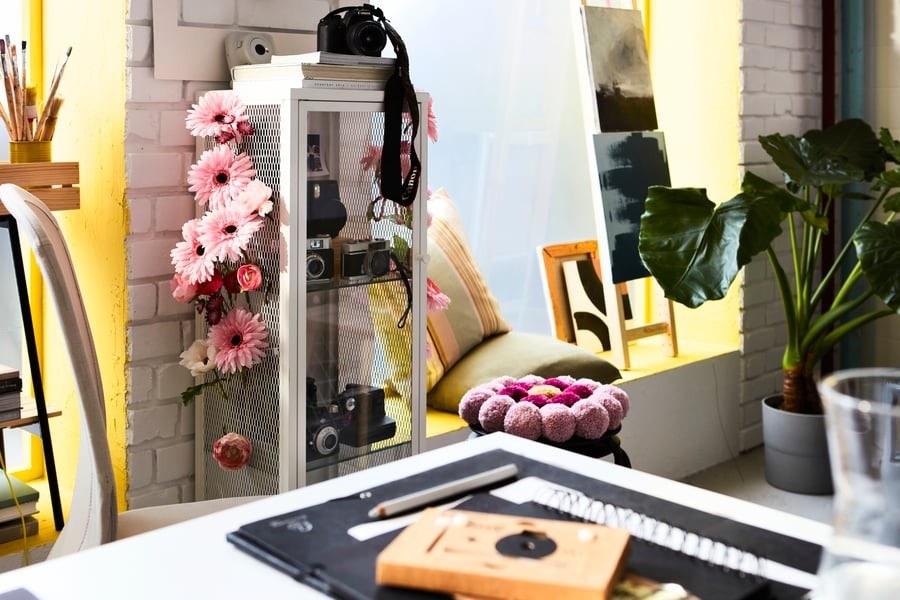
Separate supply carts help one surface change between work, hobbies, and meals.
Read More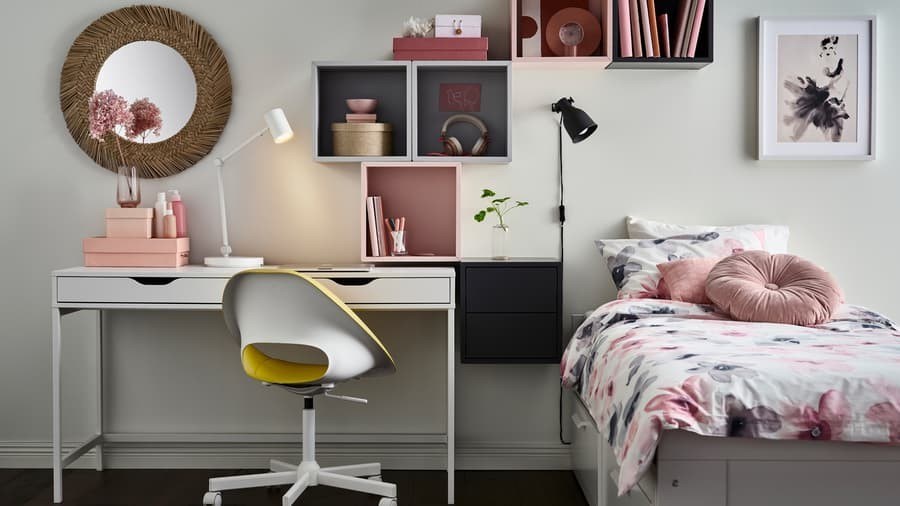
Start with the bed and desk, then connect them through useful storage.
Read More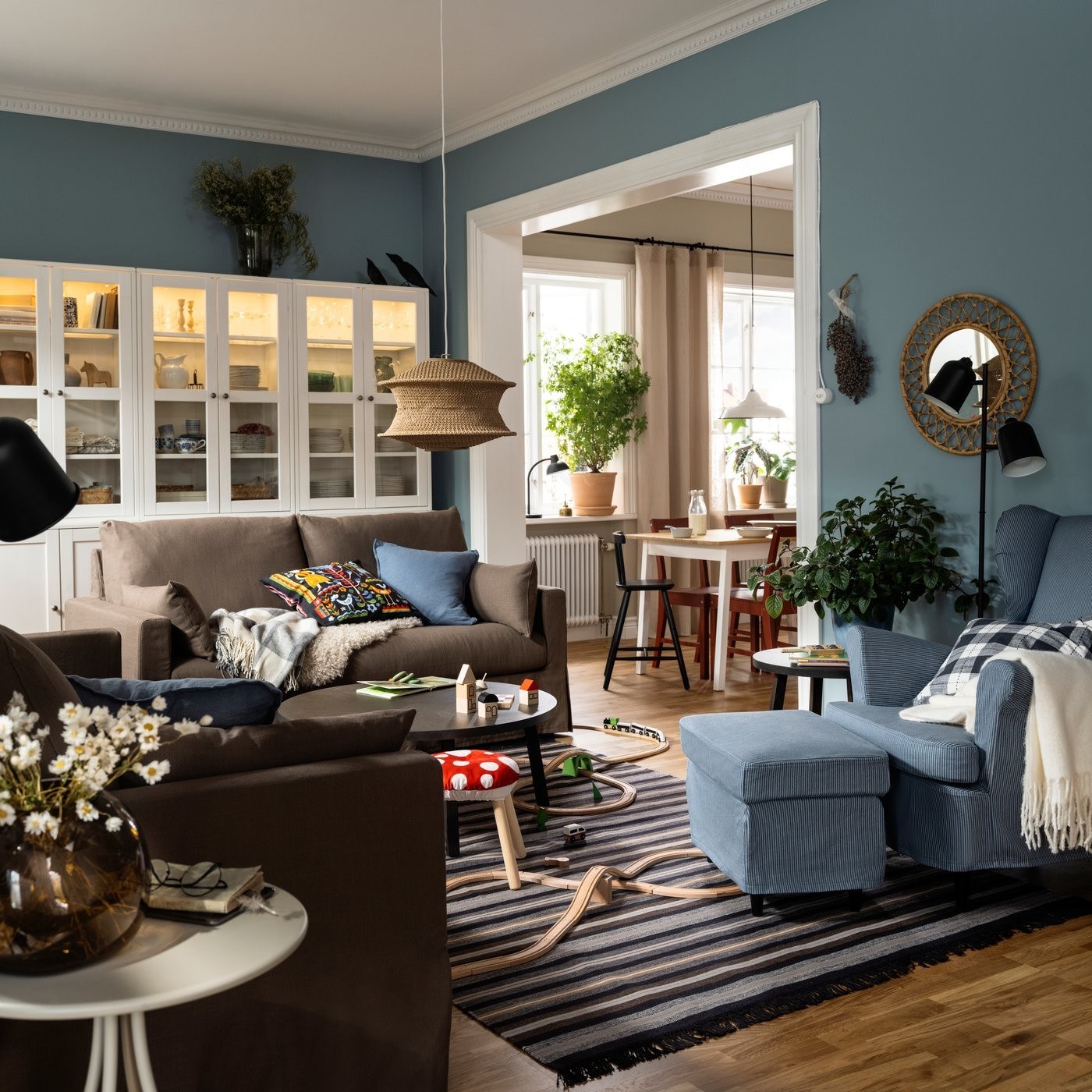
IKEA's family living room combines generous seating, a two-seat sofa bed and washable sofa covers.
Read More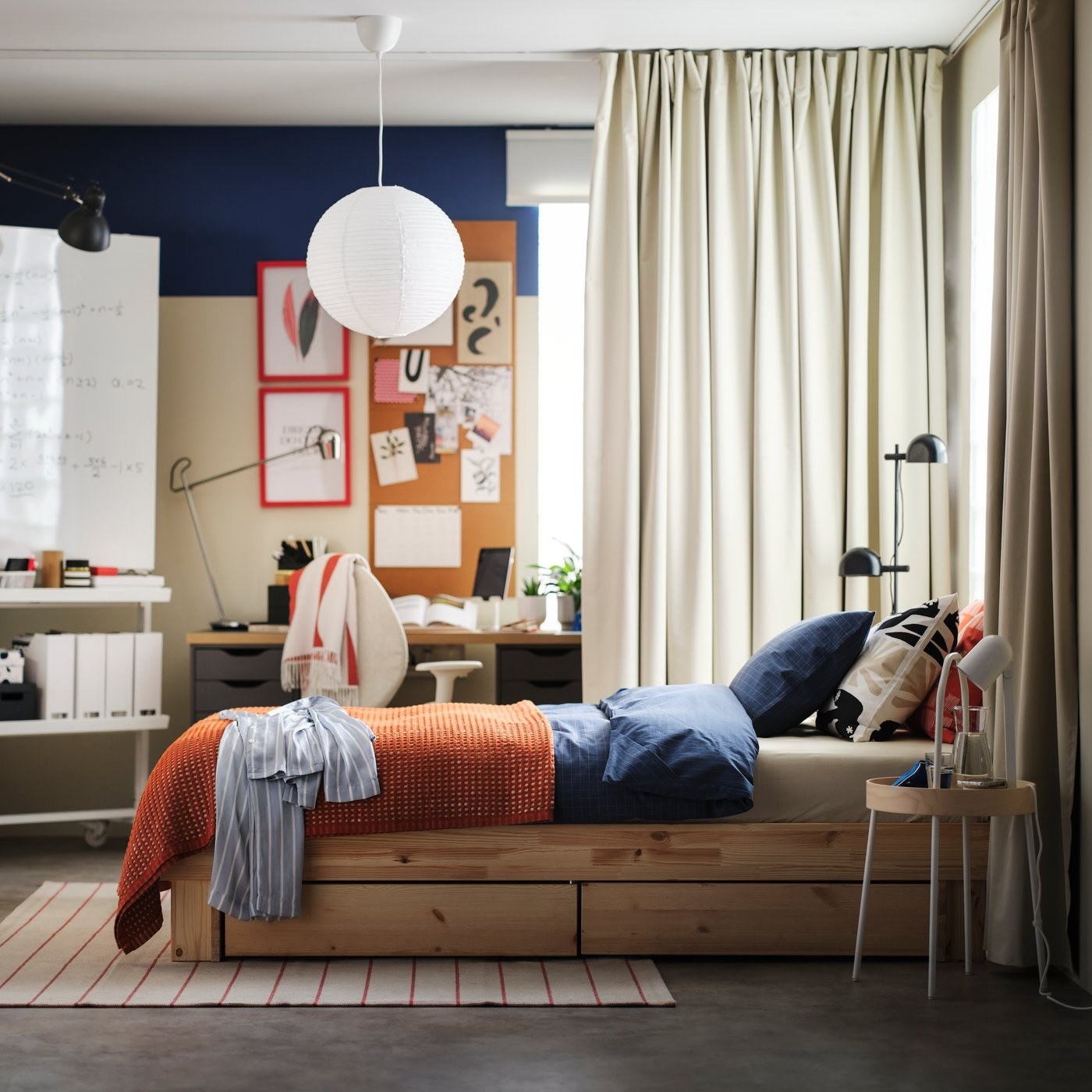
Curtains and sliding doors can visually separate a desk from the sleeping area.
Read More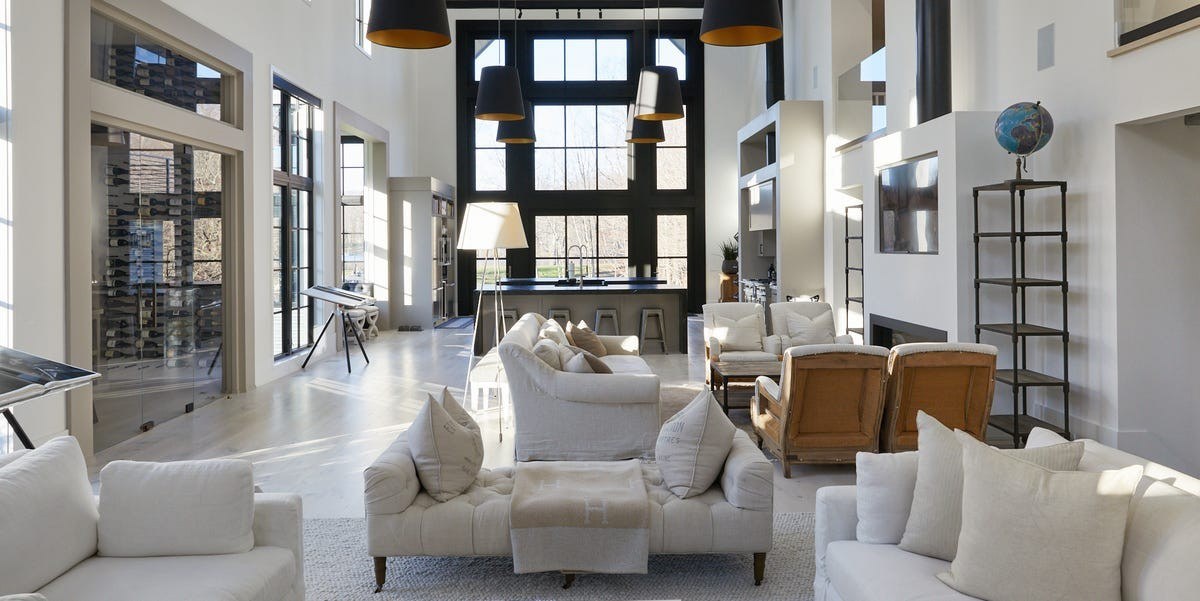
Designers debate how connected rooms affect intimacy and everyday views.
Read More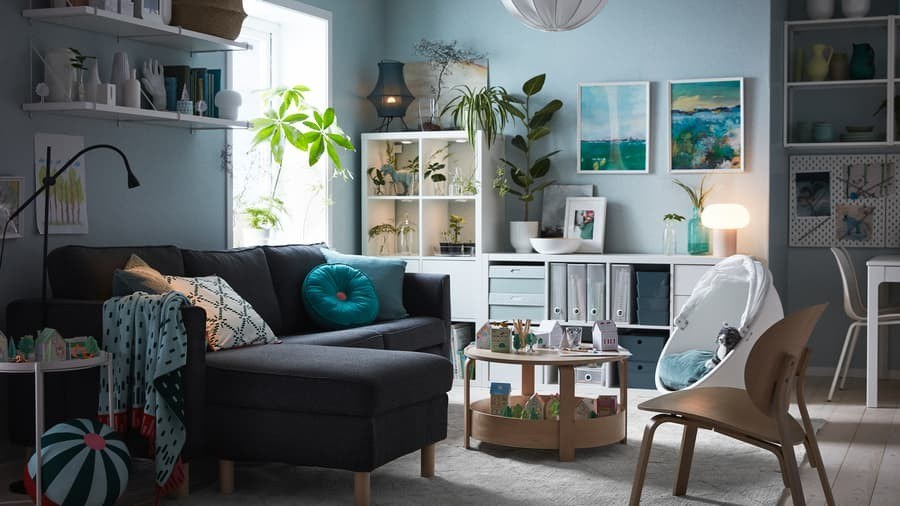
Low shelves and portable containers can anchor a family activity area.
Read More

