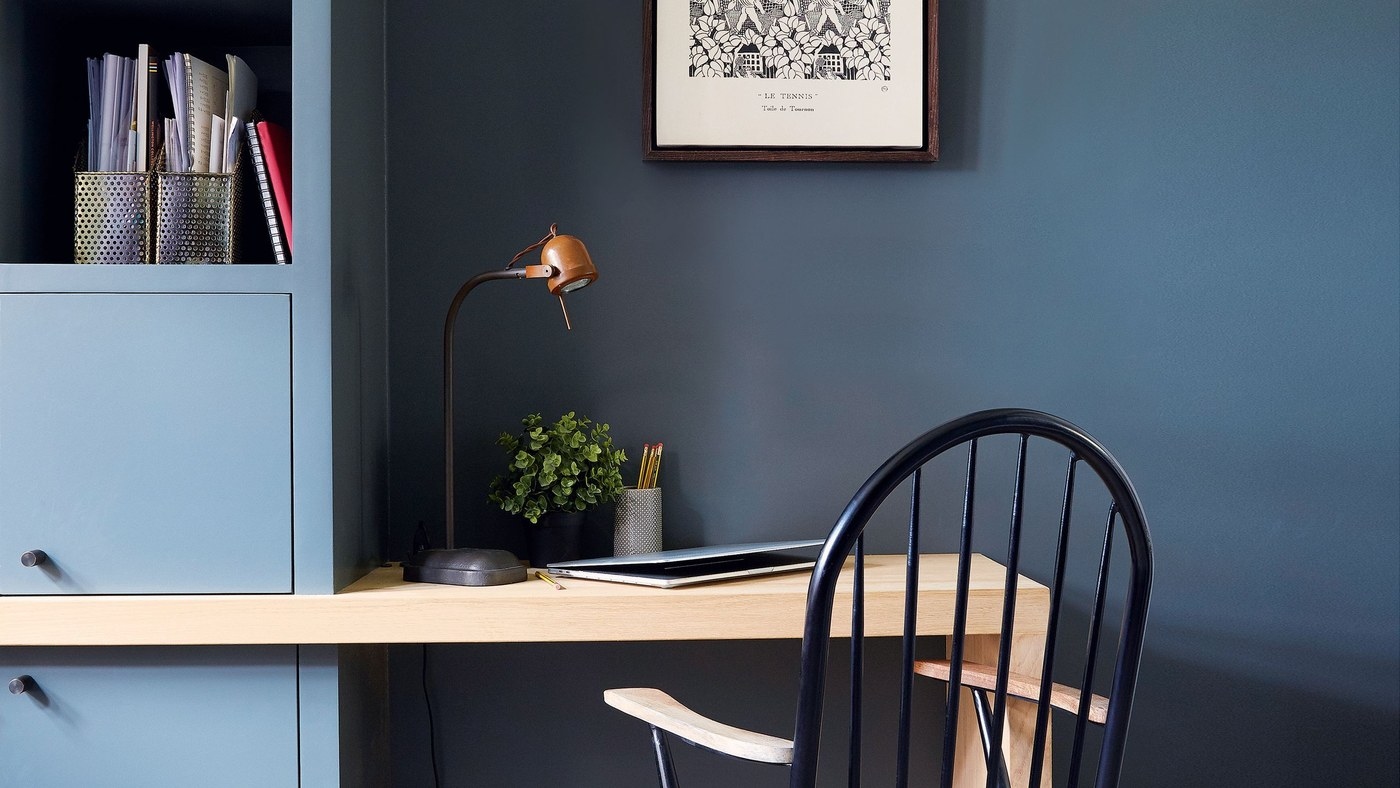
Adding a desk can make a bedroom useful during the day, but it can also make the room feel like an office.
Read More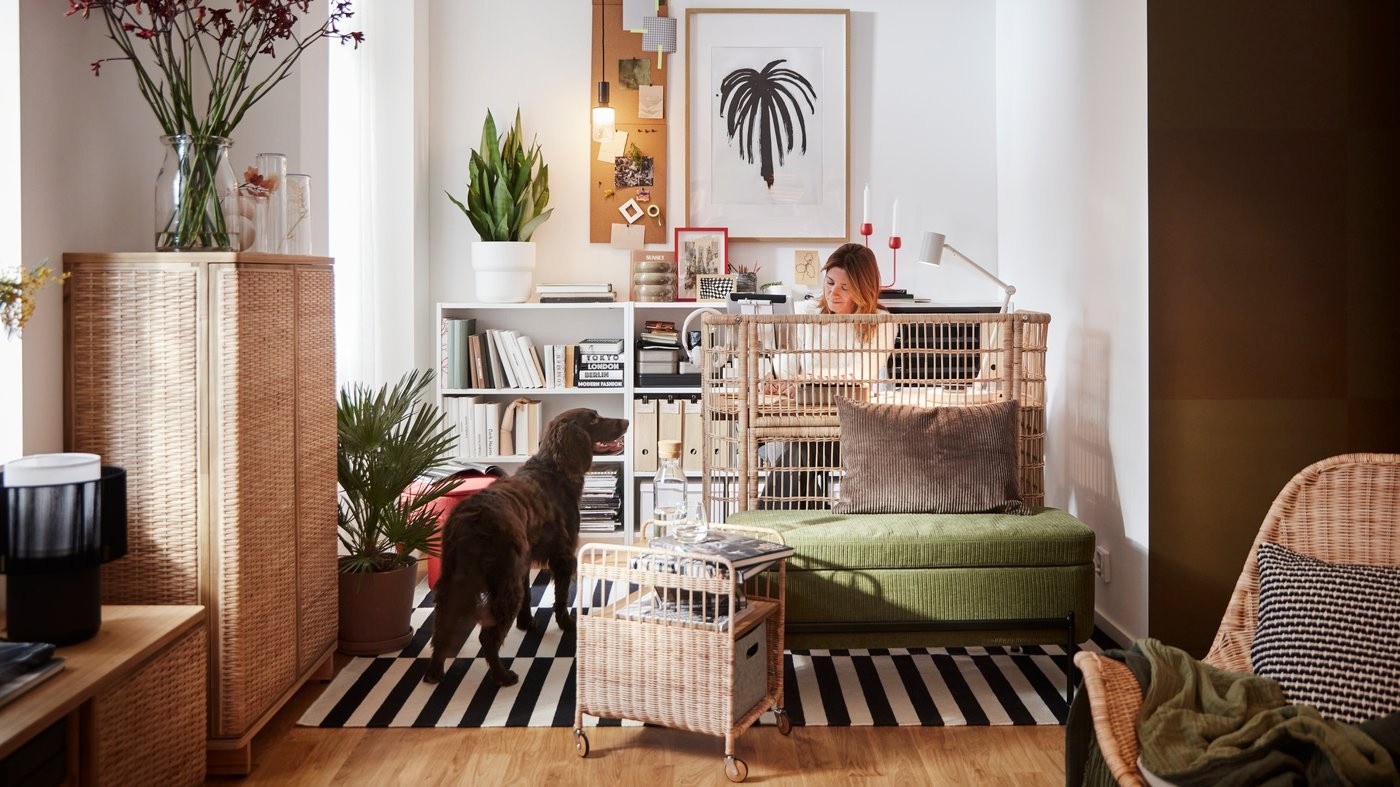
IKEA's coordinated desk alcove uses rattan and light wood to connect the work area with surrounding furniture.
Read More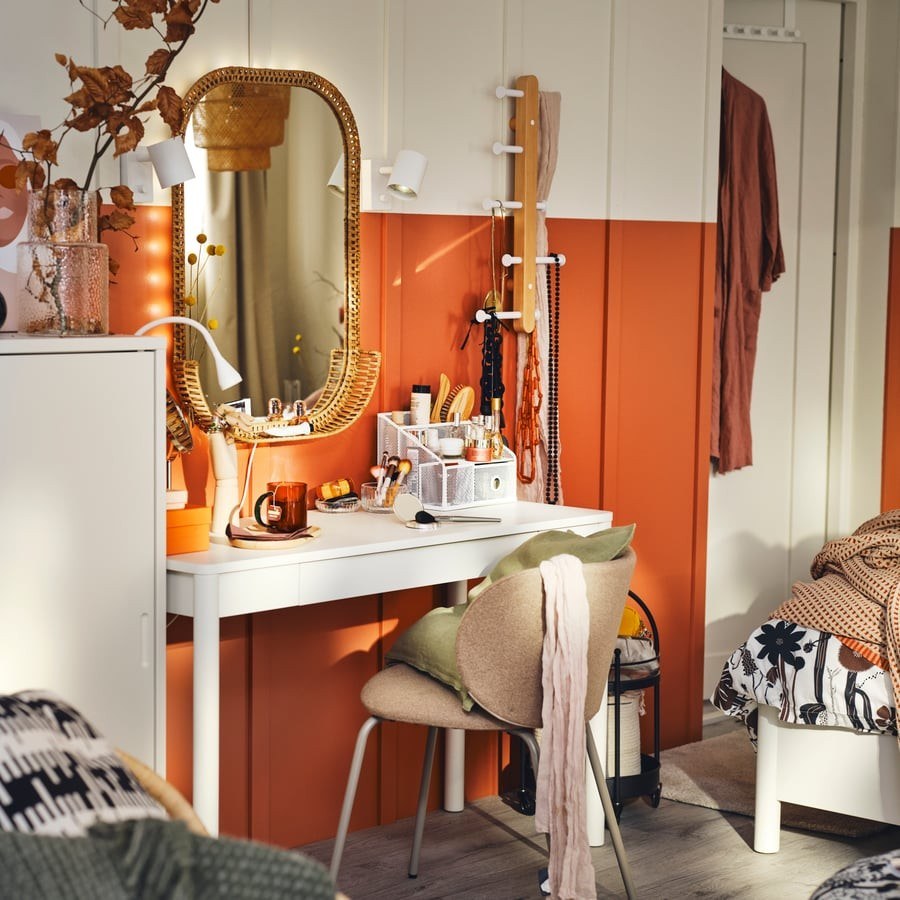
A mirror and organized surface can turn existing furniture into a grooming station.
Read More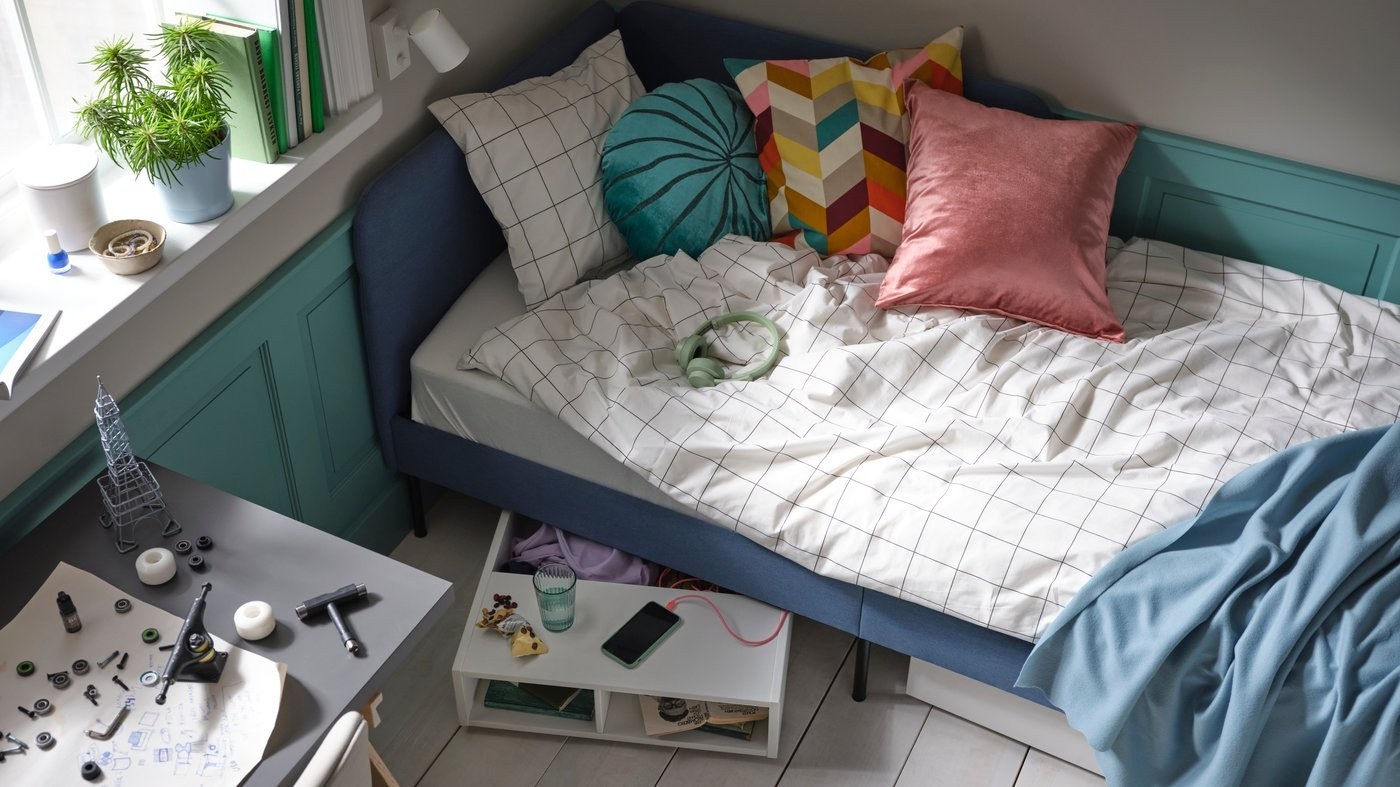
Reading, dressing, and daytime lounging can share a compact furniture arrangement.
Read More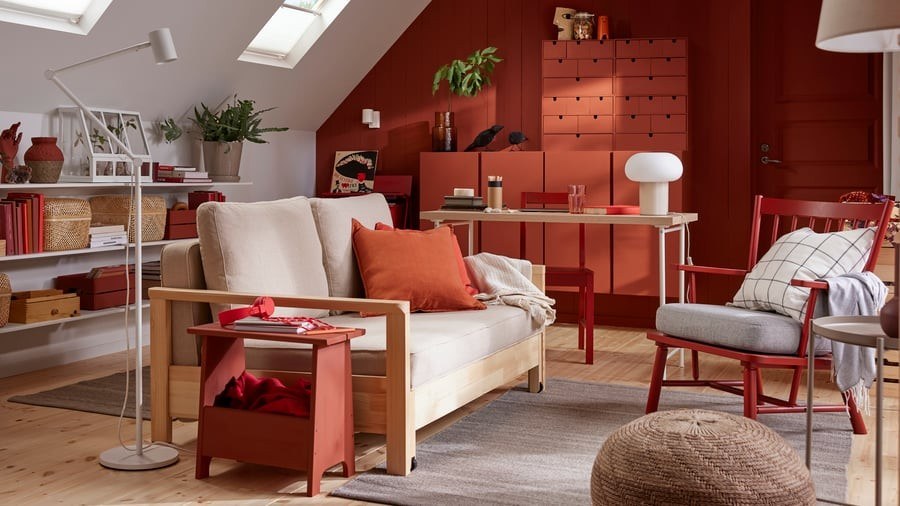
Coordinated cabinets and a window-side retreat can balance group and individual use.
Read More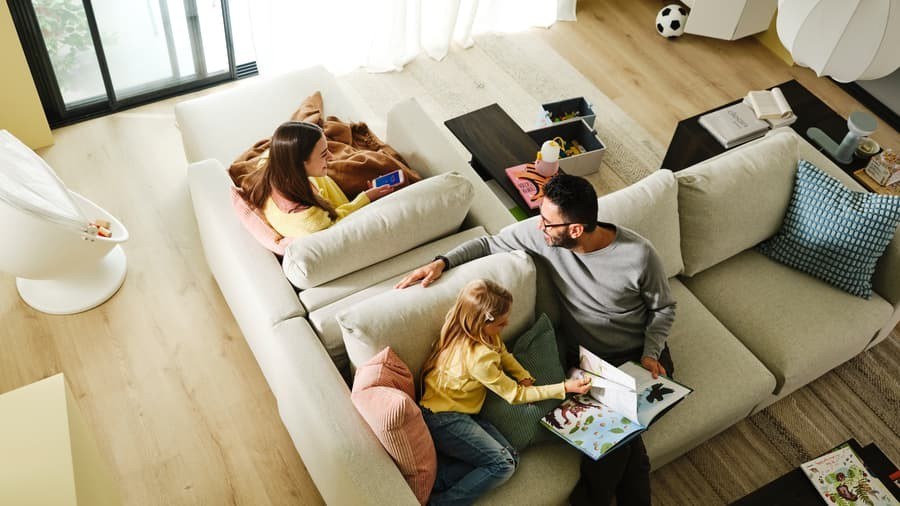
Portable work and play equipment helps one room change roles.
Read More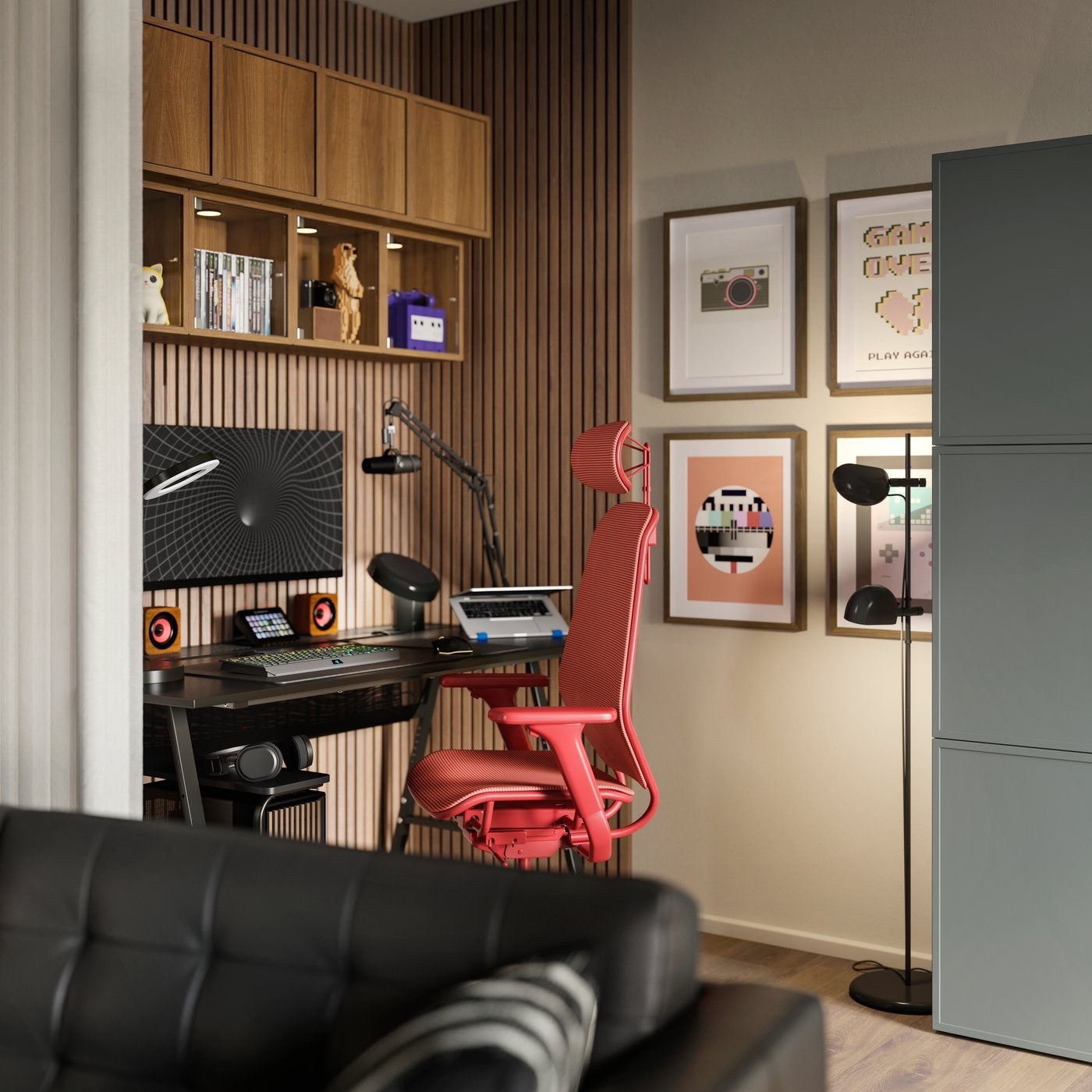
Furniture and small-item storage can support games without taking over the room.
Read More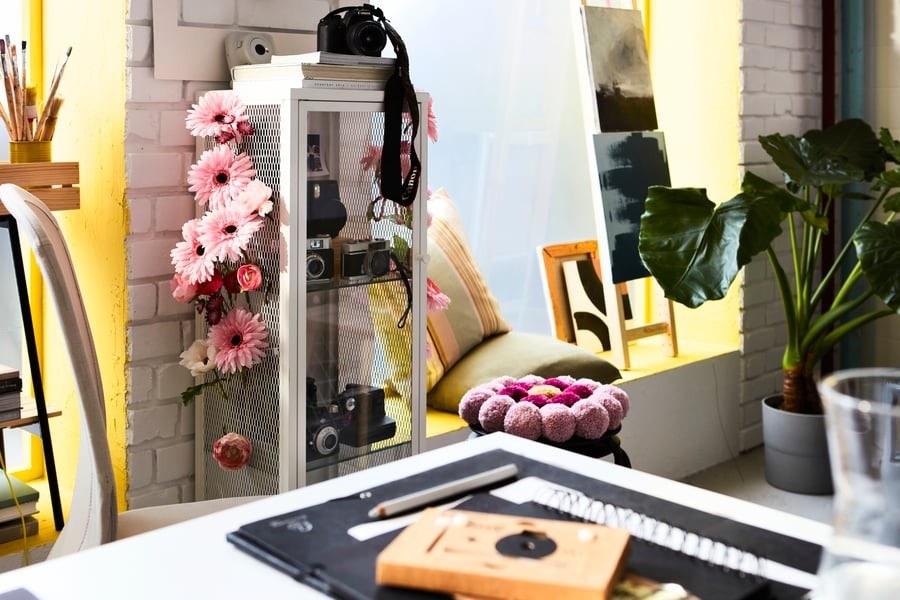
Separate supply carts help one surface change between work, hobbies, and meals.
Read More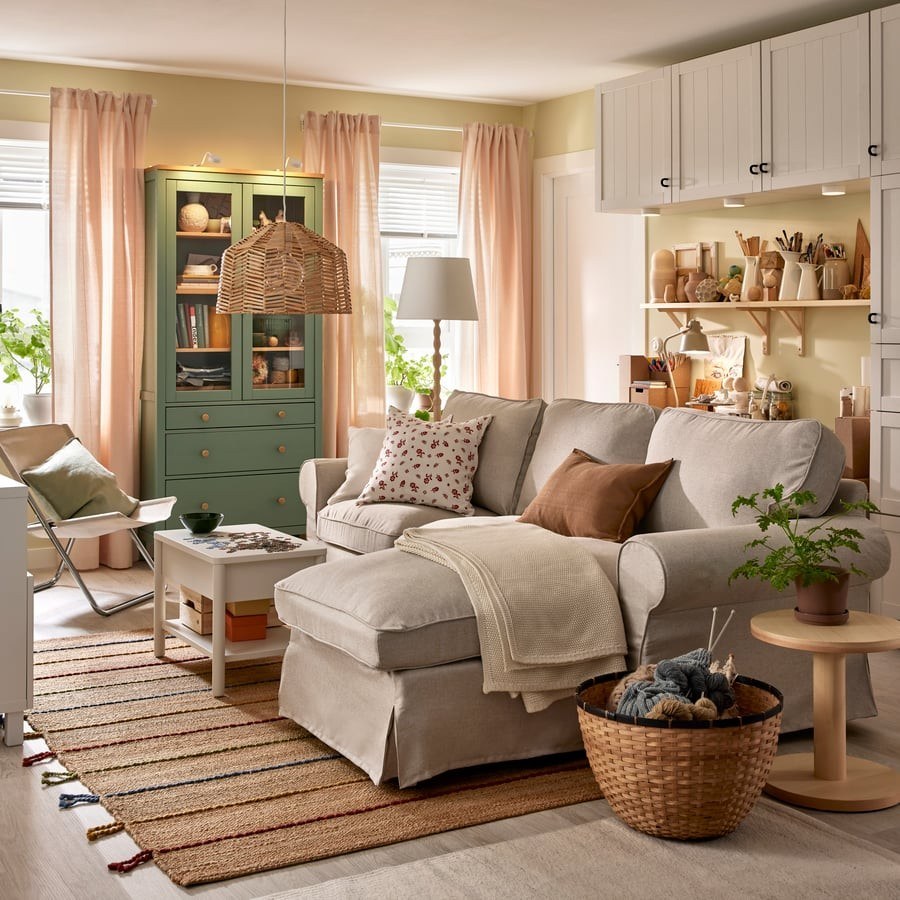
A mix of display, drawers, and closed cabinets supports hobbies beside relaxation.
Read More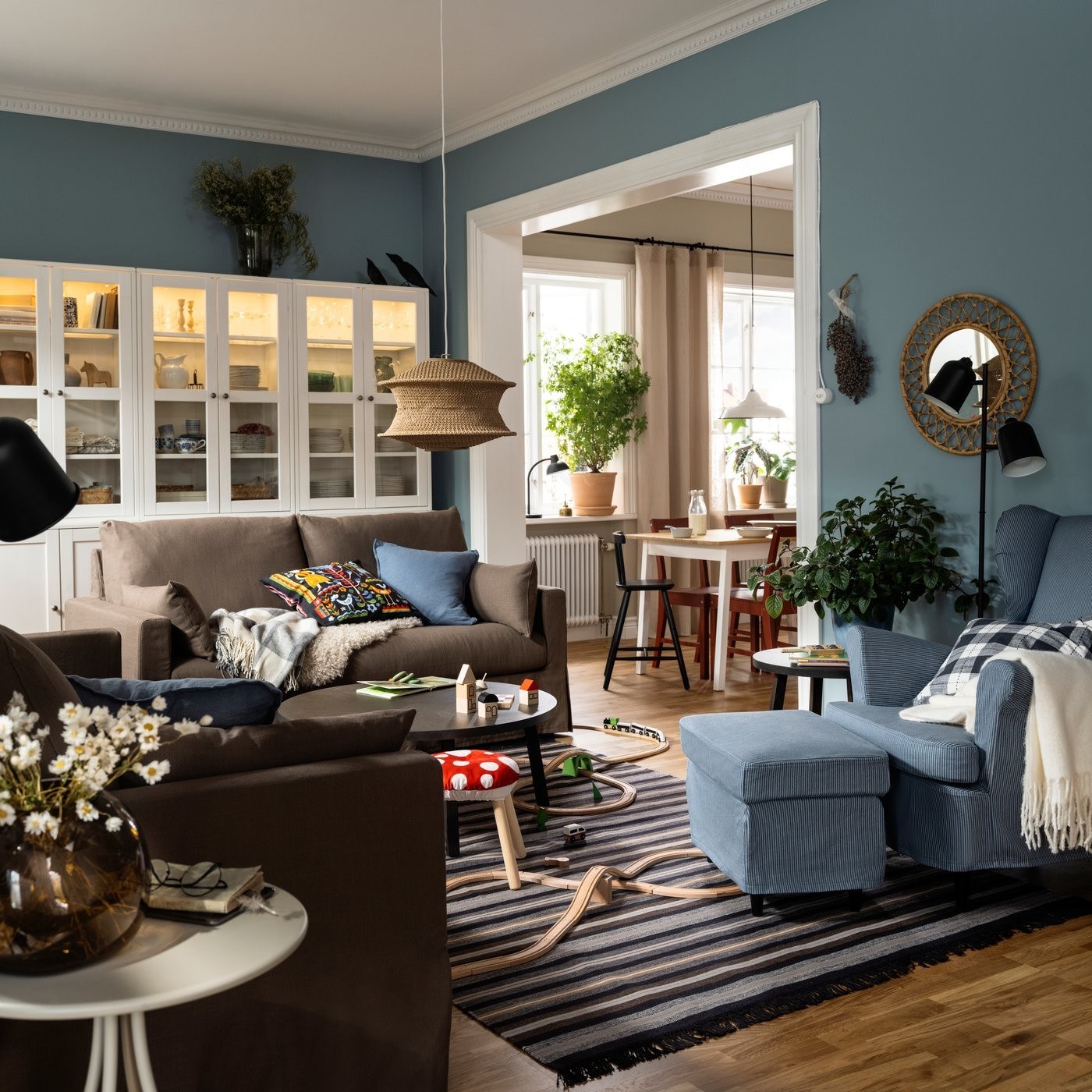
IKEA's family living room combines generous seating, a two-seat sofa bed and washable sofa covers.
Read More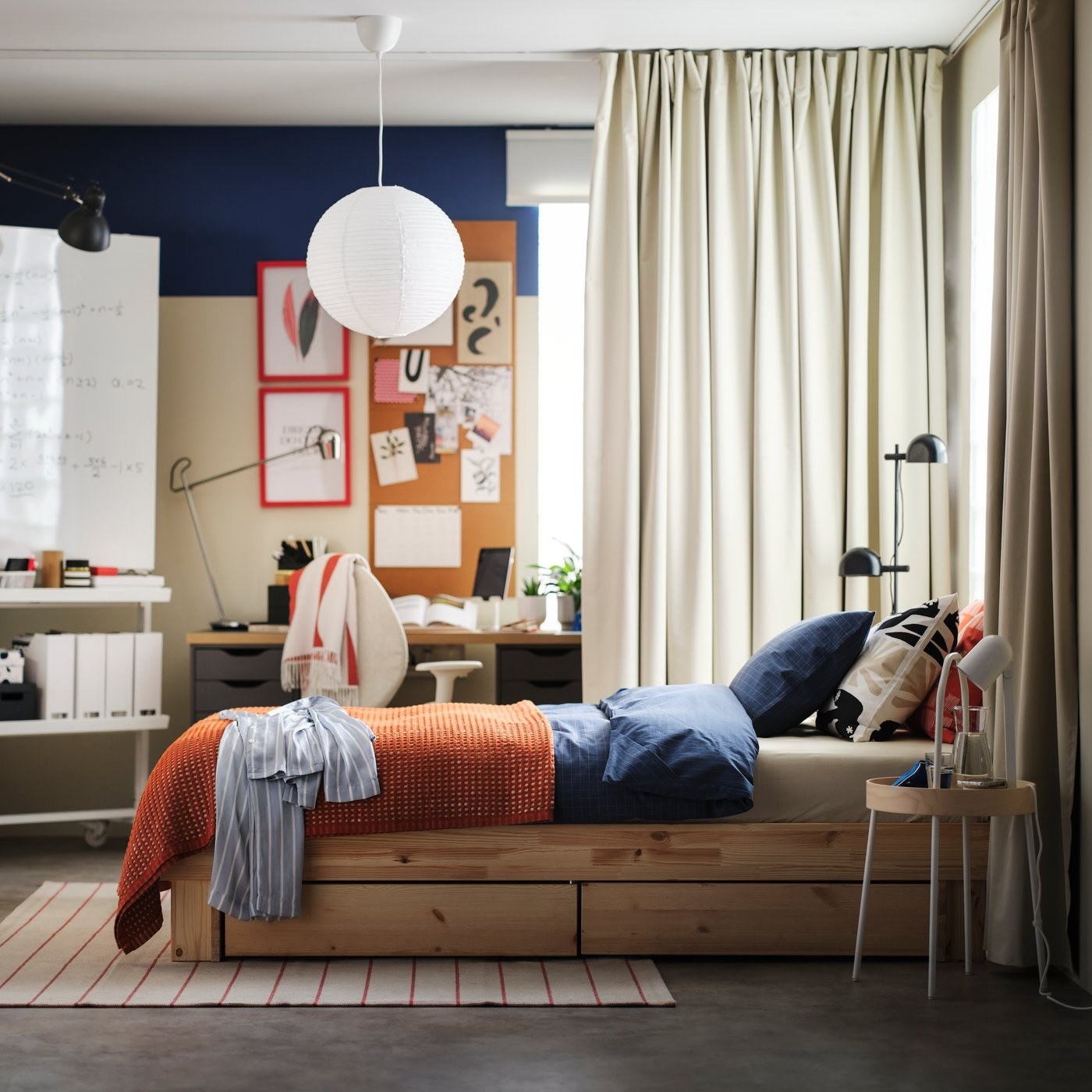
Curtains and sliding doors can visually separate a desk from the sleeping area.
Read More
Designers debate how connected rooms affect intimacy and everyday views.
Read More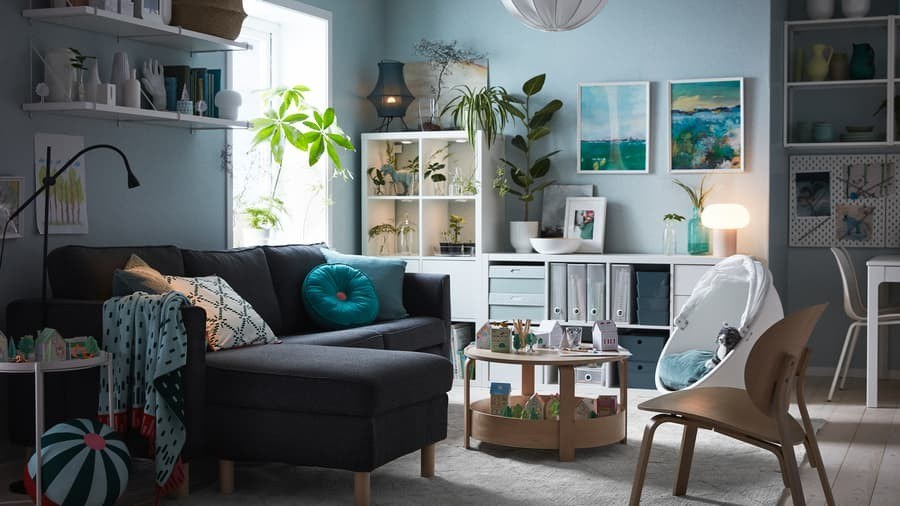
Low shelves and portable containers can anchor a family activity area.
Read More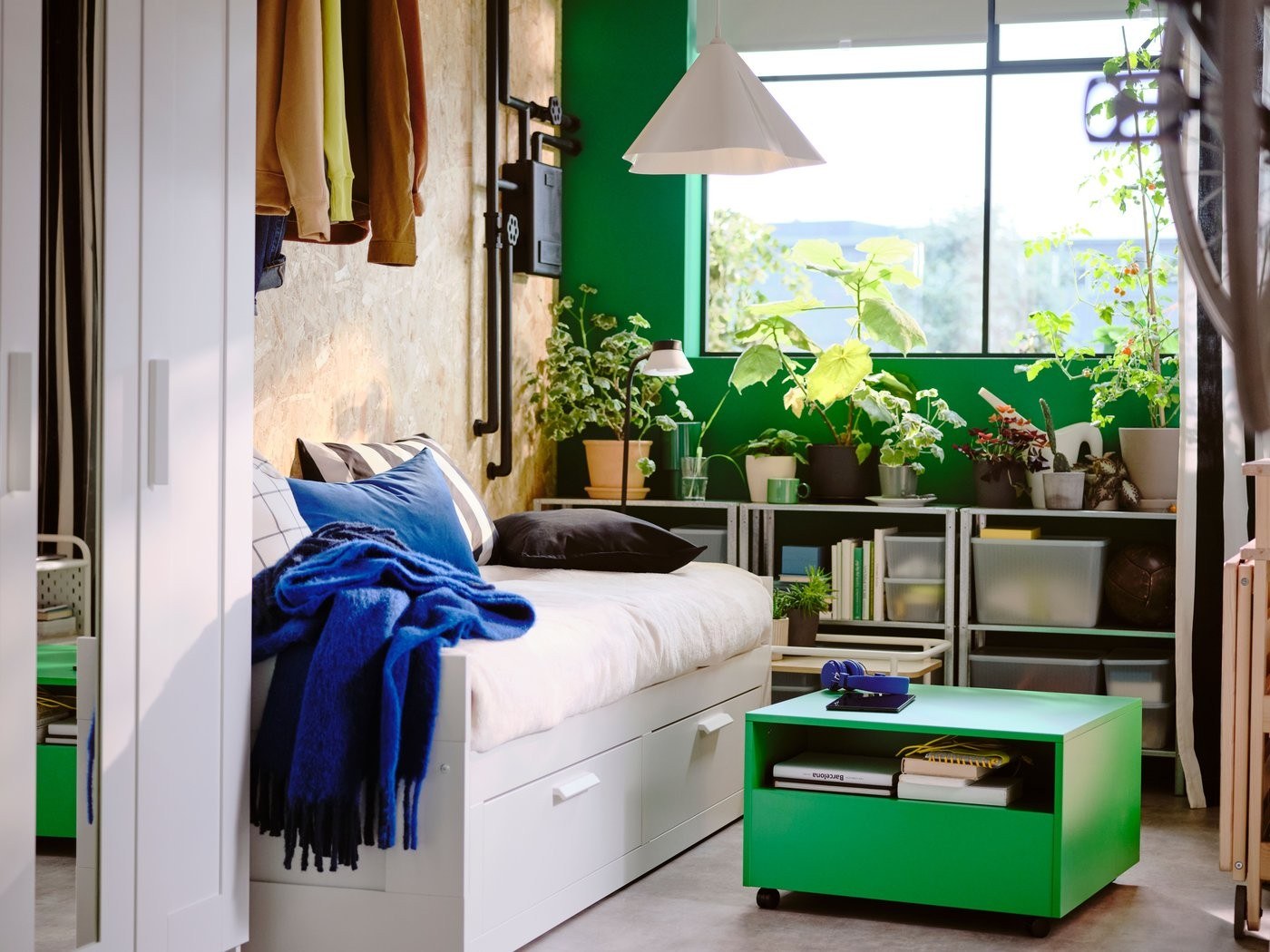
Convertible seating and flexible storage can accommodate friends within a private room.
Read More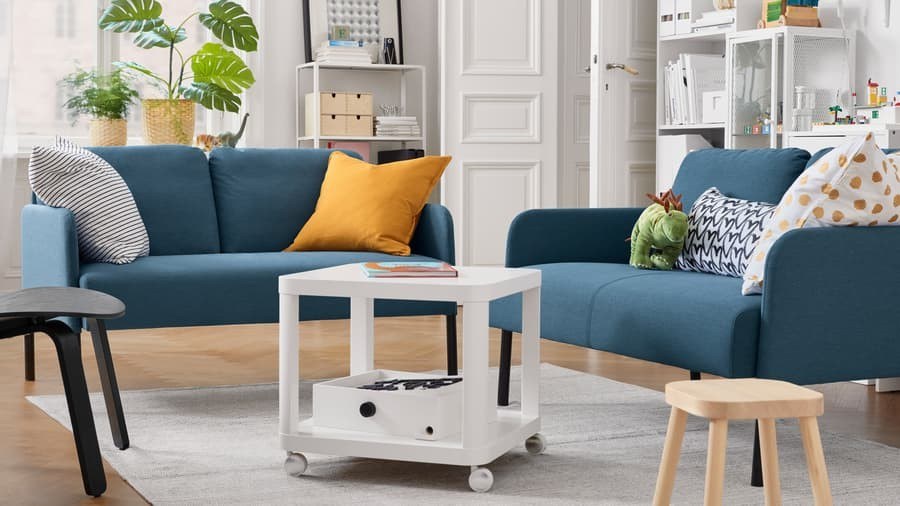
Movable tables and accessible storage reduce the effort of changing activities.
Read More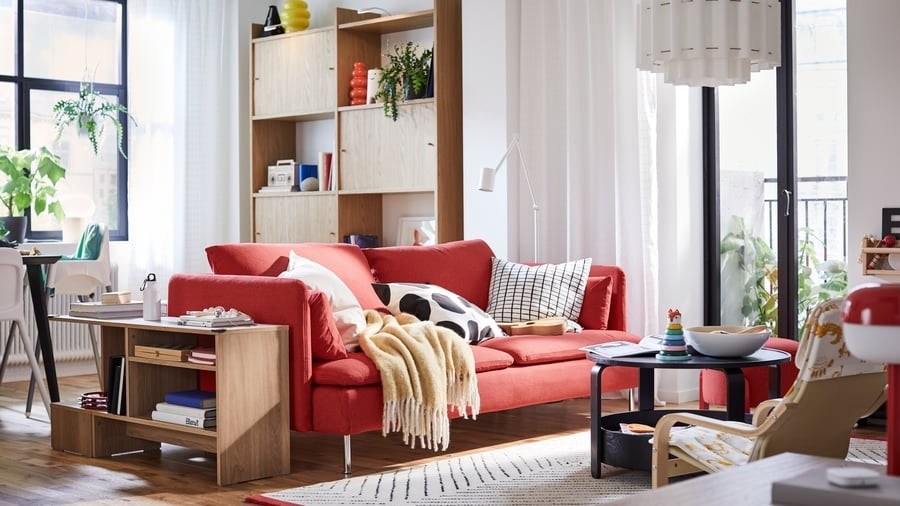
Low accessible pieces and tall storage can serve different household needs.
Read More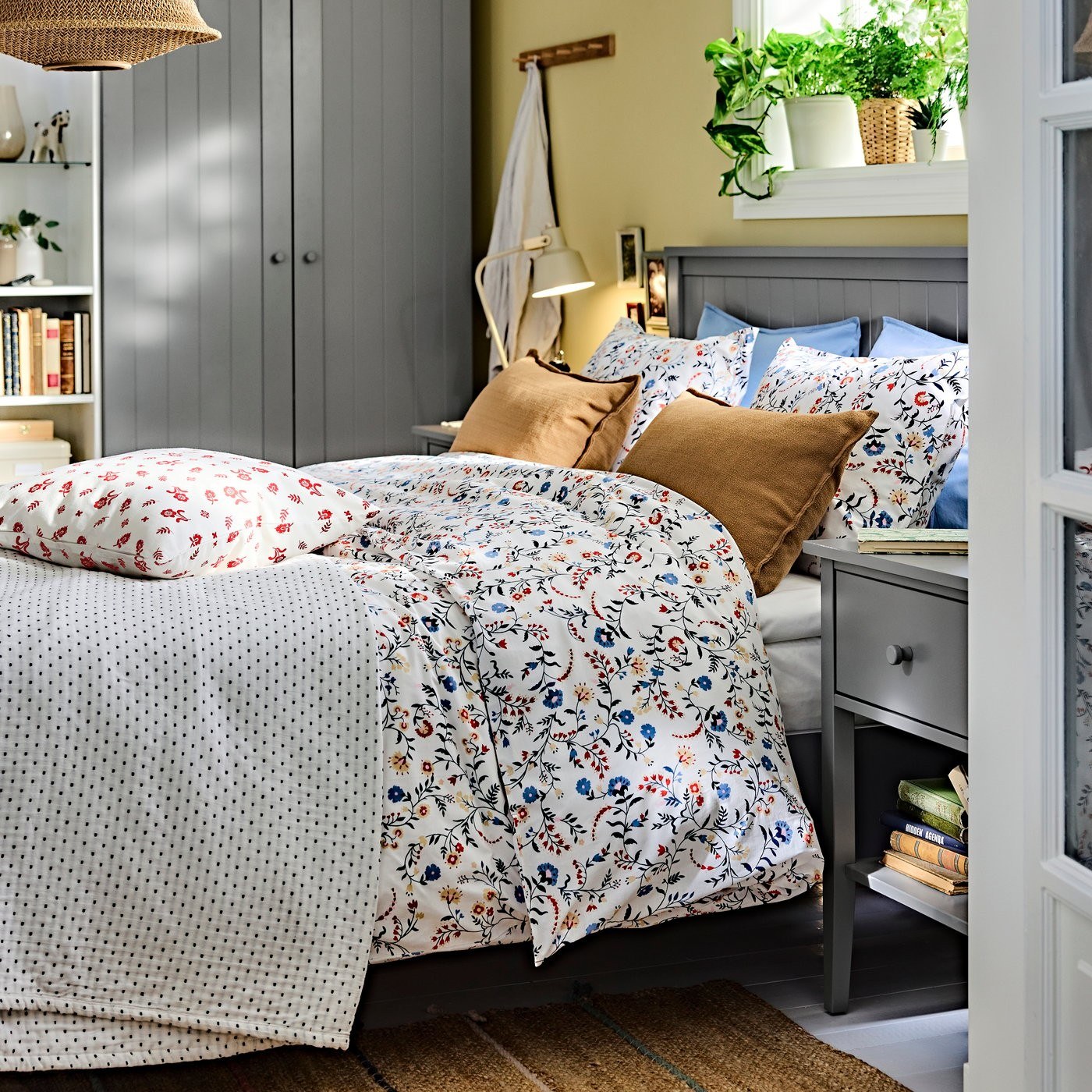
Sloping areas and narrow positions can inform a more deliberate furniture plan.
Read More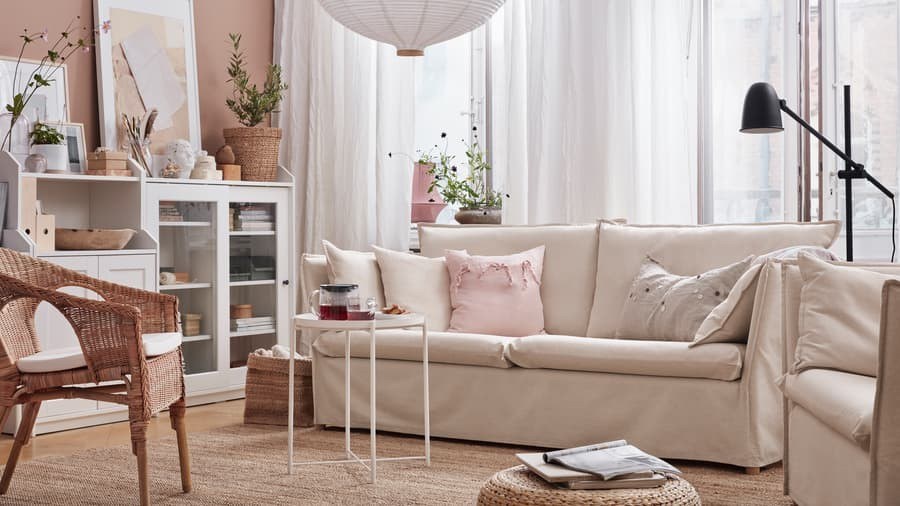
Coordinated storage helps a work area coexist with a separate resting place.
Read More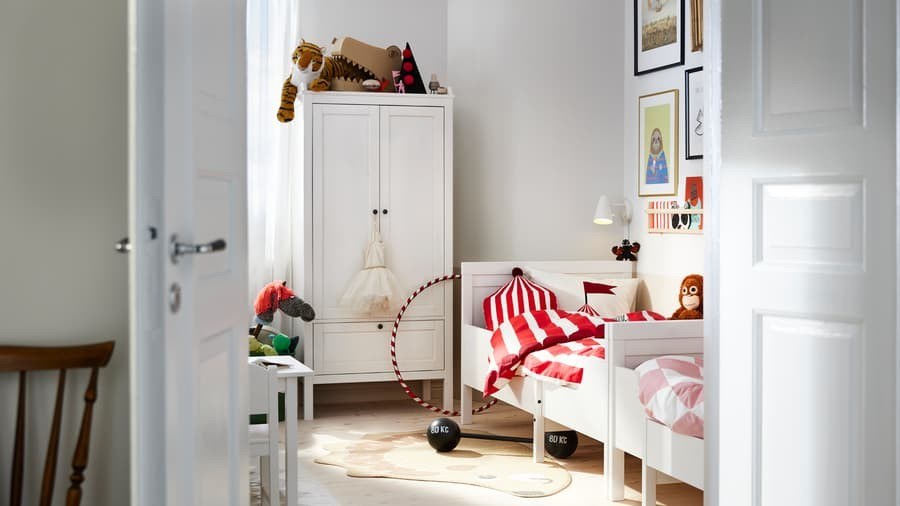
Matching main pieces can coexist with individually defined places for children.
Read More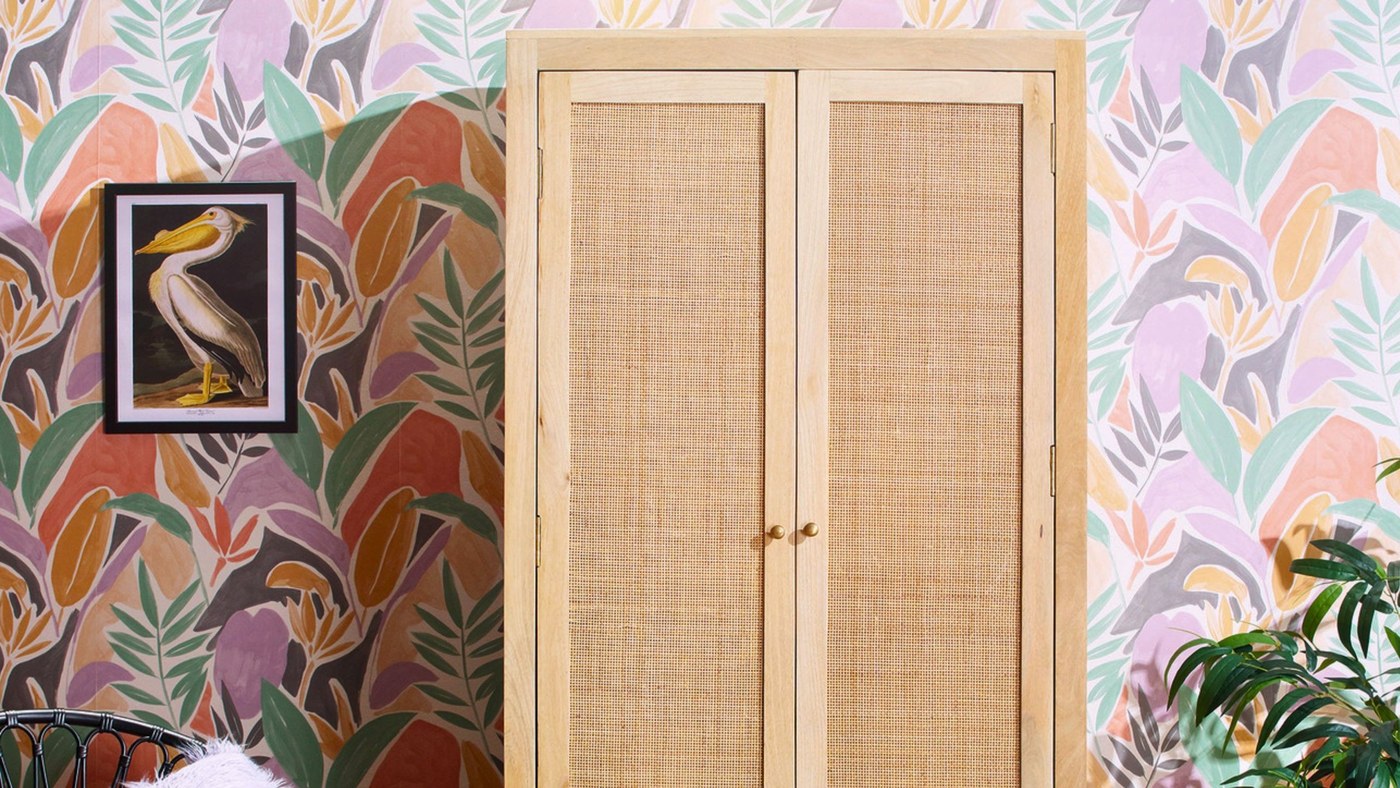
Real Homes' small-bedroom closet guide recommends using vertical organizers where height is available but width is limited.
Read More

