
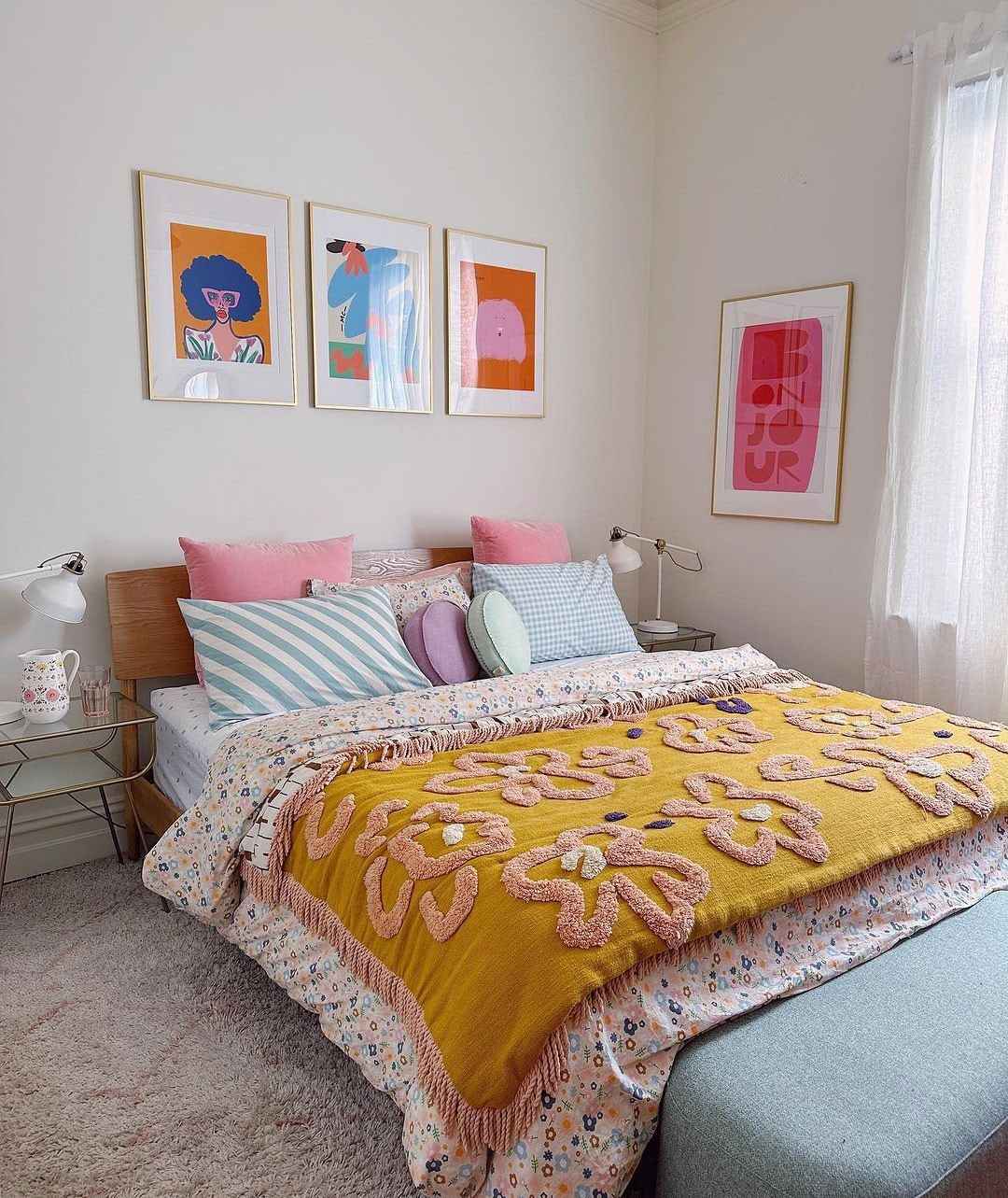
Refresh a Studio Bed Area with Selective Color and Textiles
The source suggests painting only a selected portion of a small bedroom rather than the entire room. Wallpaper can introduce texture or pattern, and refreshed bedding changes a large visible surface. Homemade decorative objects offer another personal option.
Check the rental agreement before altering walls and choose bedding for comfort as well as appearance. In a studio, coordinate new details with the living area so the open room remains connected. A targeted update can avoid the expense and clutter of a complete replacement scheme.
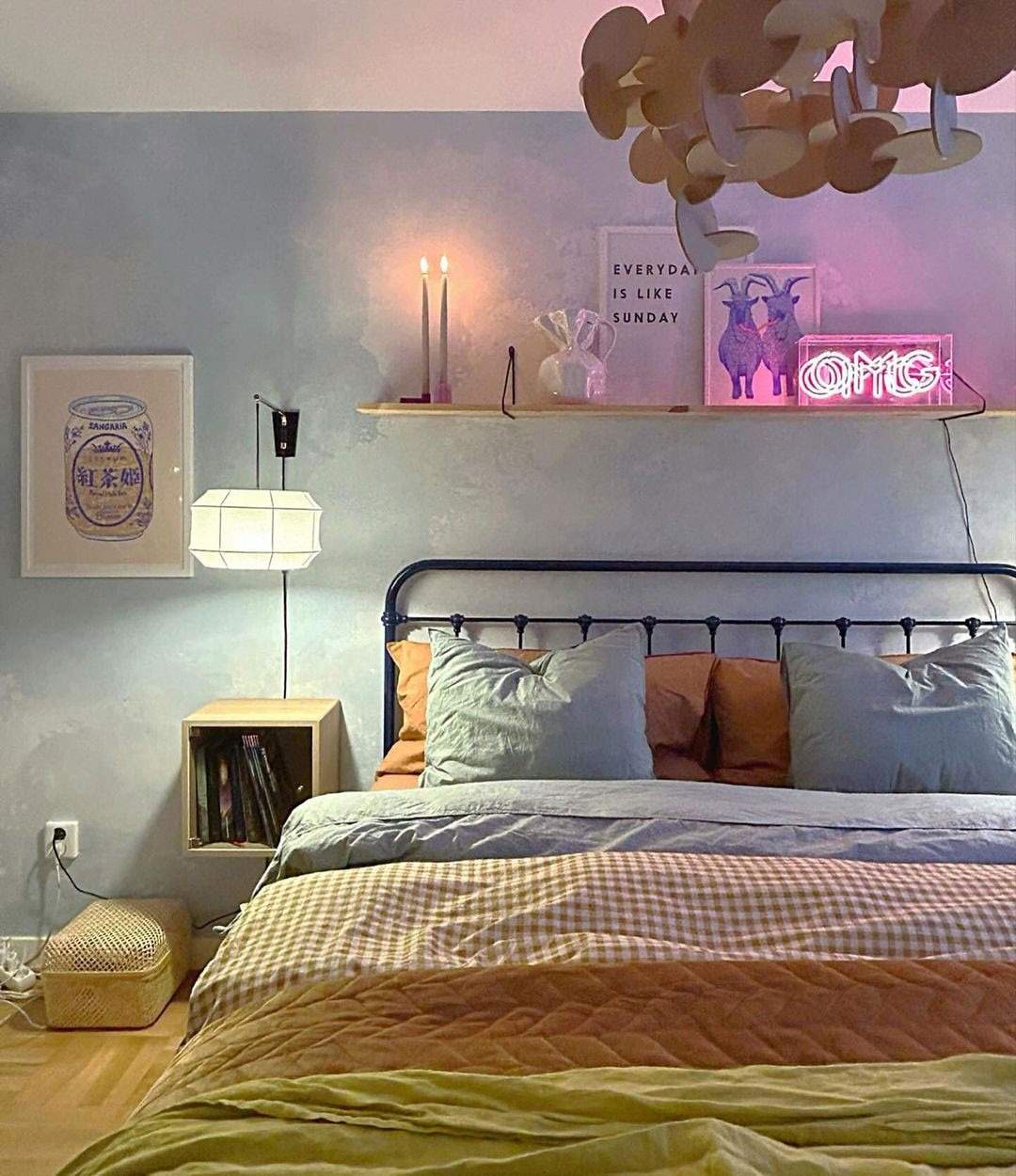
Choose a limited painted area with a clear purpose
Nicole Cullum suggests an accent wall, trim, or a painted headboard shape as alternatives to repainting the entire bedroom. The example lets a smaller change supply a new focus without purchasing a large piece of furniture. Compare the proposed area with the bed and existing artwork, and obtain any permission required before painting in a rental.
Use pattern where the room can accommodate it
James Greenwood describes wallpaper within an alcove or on a selected wall, coordinated with paint elsewhere. That can reduce the amount of material required, but preparation, pattern matching, and the condition of the surface still affect the work. Removable wallpaper is not automatically suitable for every paint finish. An alcove treatment can focus the pattern on a smaller area while adjacent paint supplies continuity. The source also introduces bedding as another substantial visual layer, so compare new textiles with what is already owned before changing both walls and linen. A constrained budget is easier to direct when one surface or fabric provides the main update and surrounding useful pieces remain part of the scheme.
Choose the surface that can carry the largest useful change
Nicole Cullum identifies paint, bedding, lighting, and wall decor as potential points of impact. Compare those layers with the room's existing strengths before spending the budget. A retained headboard might need different bedding rather than replacement; a blank wall might benefit from one framed piece instead of several new accessories. Painting only trim or a selected area changes the amount of work but still requires suitable preparation and permission. A painted headboard shape can introduce a visual outline, though it does not provide the physical back support of an upholstered one. Decide which effect is actually missing so the project solves a specific problem rather than merely adding a fashionable detail.
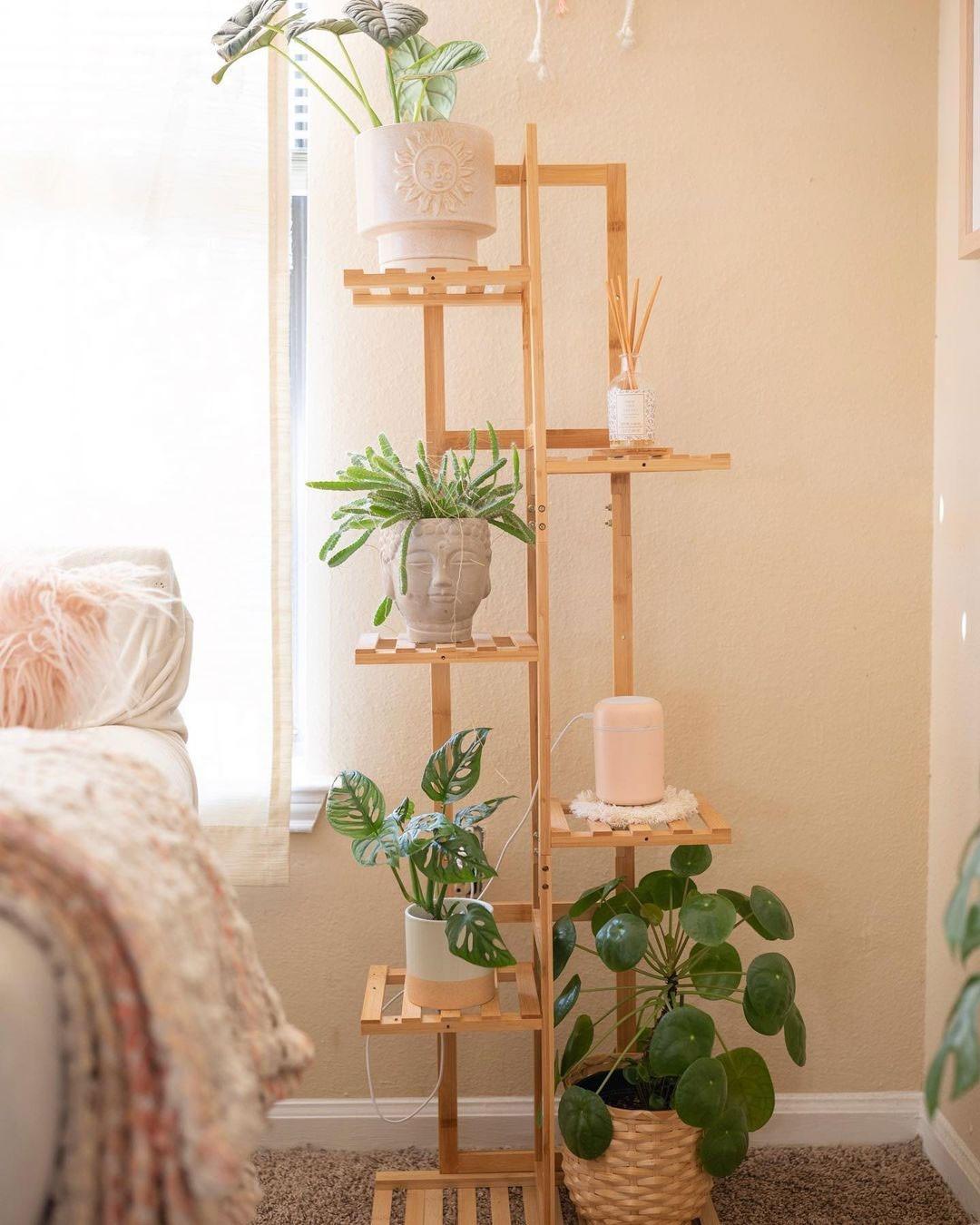
Use temporary treatments according to their actual limitations
The reference suggests peel-and-stick wallpaper and plug-in lamps as options for renters. Check the particular surface, product instructions, and tenancy requirements before assuming either leaves no trace. A small wallpapered recess can introduce pattern without covering every wall, but still needs careful fitting and removal planning. A lamp avoids changes to an installed fitting only when its position and cable route work with the furniture already present. Compare the useful light with the decorative outline. The source includes both small bedside lamps and more sculptural examples, so size should follow the actual supporting surface and activity, not a single rule about how compact lighting must look.
Edit the supporting objects around a clear palette
The article recommends a principal color with a small group of supporting accents and warns against overwhelming the room with too many competing elements. Treat that as a composition method rather than a medical claim about how a particular hue affects sleep. Look at textiles and artwork under the usual light and select the relationship that suits the occupants. A thrifted cabinet can conceal less attractive essentials while a few plants and objects remain on display. Homemade clay accessories should be used according to the kit's actual material and finishing limitations. The resulting room can feel more personal through selected changes without needing a new version of every object already owned. Compare the revised room after each main change and leave part of the budget unspent until the remaining weakness is clear; this helps avoid buying several accessories for the same visual effect.
References
- 9 ways to makeover a small bedroom on a budget, according to experts. Real Homes; Camille Dubuis-Welch.
A limited wall treatment and renewed bedding can make a modest budget go further.


Leave a Comment