
Replace Separate Studio Pieces with a Few Useful Combinations
The source discusses using a kitchen table as a desk and a dresser as a television stand when apartment space is limited. It recommends selecting multipurpose furniture instead of trying to fit the maximum number of separate pieces into the room.
Start with the activities the studio must support and decide which can share a surface. Check that shared use does not create constant disruption, such as moving work equipment for every meal. A few appropriate pieces can be more practical than many small single-purpose additions.
Choose the second role that solves a real shortage
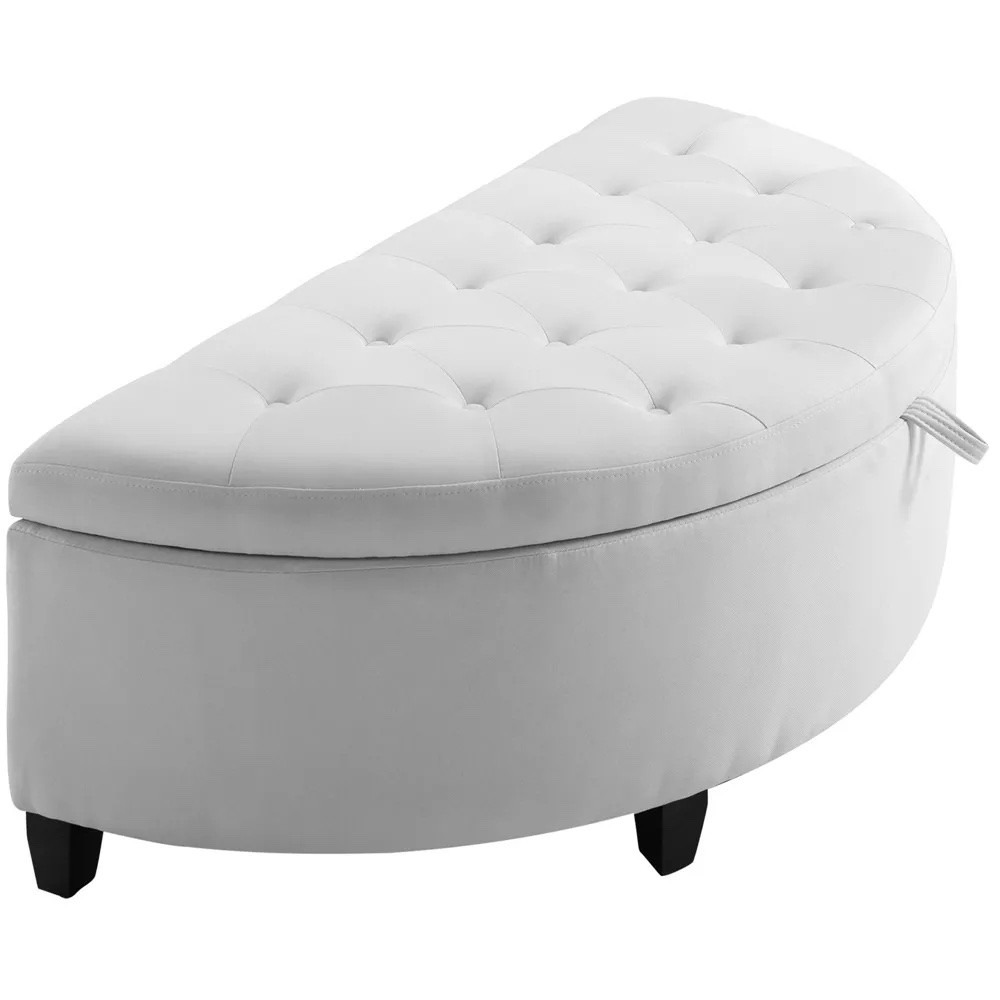
The reference pairs an ottoman with linen storage, a stool with a removable top, a sofa with occasional sleeping capacity, and tables with shelves or drawers. Each combination addresses a different need. Decide whether the problem is guest seating, spare bedding, paperwork, or a lack of a reachable surface, then compare the design that supports that task.
Account for the furniture while its hidden function is in use
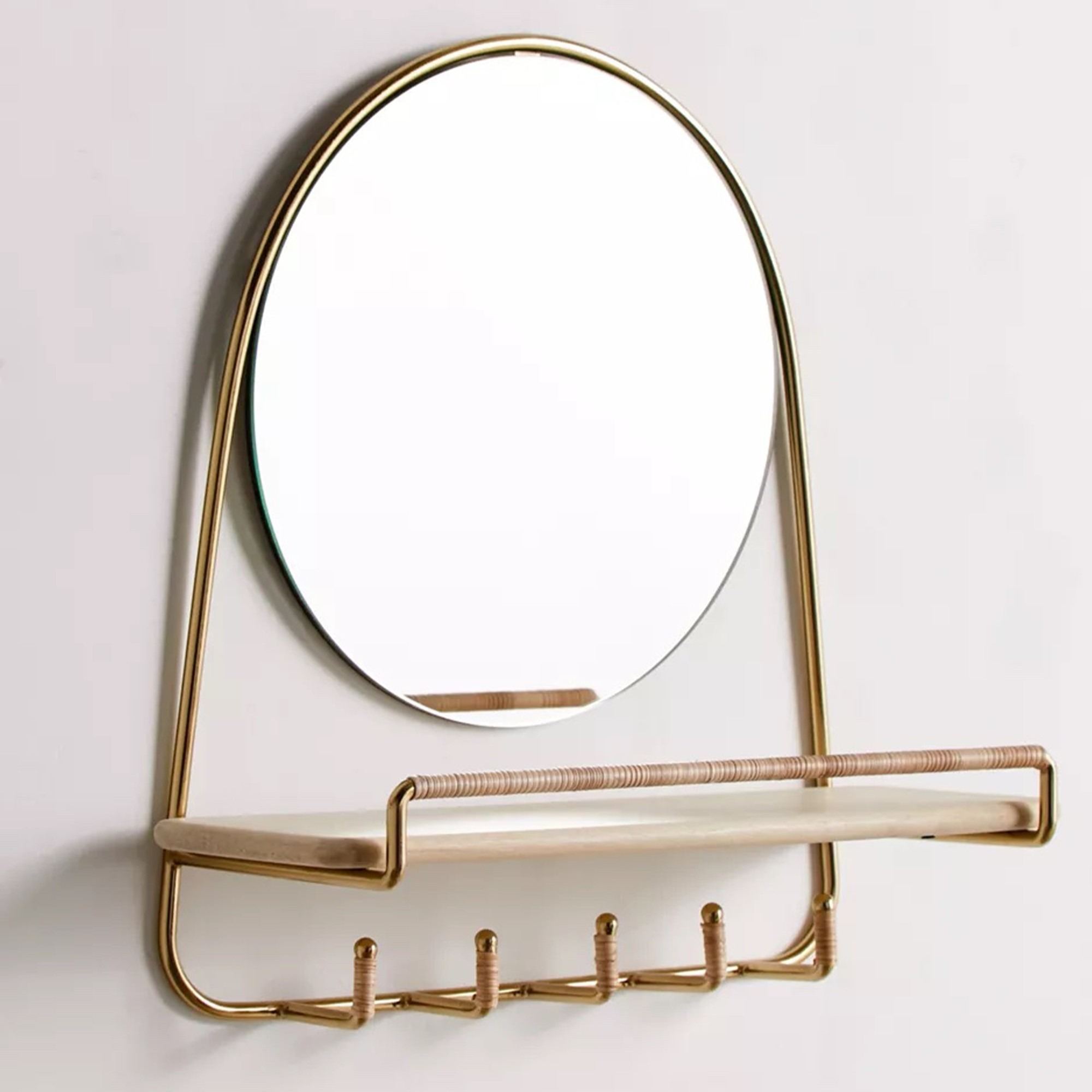
A sofa bed must fit when opened, an ottoman needs clearance for its lid, and a drawer needs room to extend. A table used for both dining and work also needs somewhere to put the equipment when meals begin. The feature includes a mirror, shelf, and hanging rail combination for an entrance as another way to concentrate functions. A smaller end table with a drawer can keep remotes and coasters close to their point of use. These options should reduce separate purchases rather than encourage collecting many compact pieces. Check load ratings, assembly guidance, and the actual stored-item dimensions so the extra function remains convenient instead of being used only occasionally because access is awkward.
Count the pieces that a combination genuinely replaces
The source proposes multipurpose furniture as an alternative to filling a studio with separate objects. Test that claim against a specific list of existing needs. A storage stool could replace both a small seat and a container, but it adds another footprint if the household already has enough seating. A dresser used beneath a television may remove the need for a second cabinet only when the screen, contents, and support are suitable for that arrangement. Compare the entire before-and-after plan rather than counting every advertised secondary function as a benefit. The most useful combination simplifies the room and makes the retained possessions easier to use, rather than merely containing another hidden compartment.
Evaluate how the second function becomes accessible
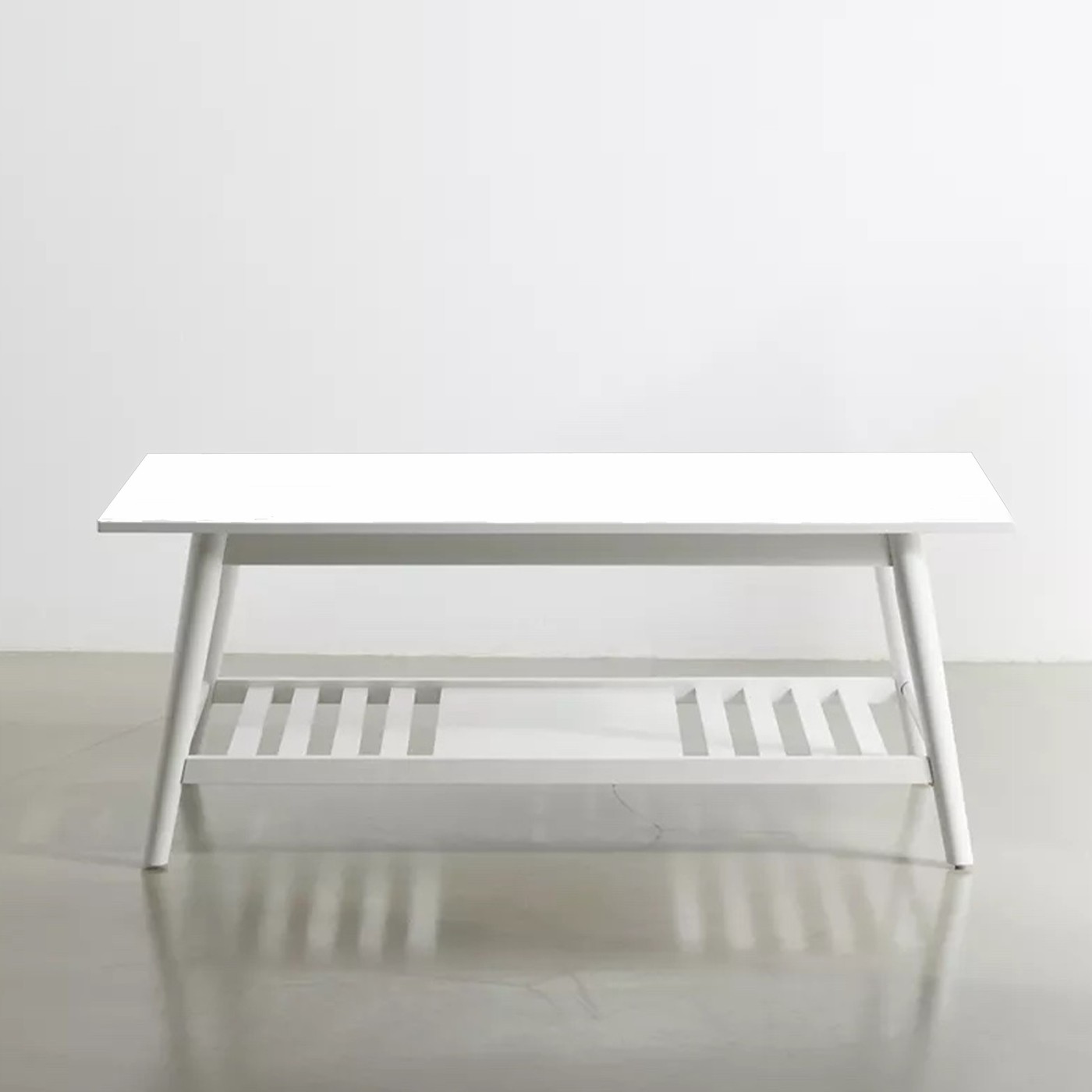
A sofa bed needs its sleeping position planned, while an opening ottoman needs its stored contents reachable without an awkward daily rearrangement. The reference's coffee table with a lower shelf offers a different form of access: items remain closer to hand but may also remain visible. Compare those options by the frequency and type of retrieval required. A three-tier side table can separate books, a lamp, and a smaller object, though the surface heights must suit their uses. When a dining table doubles as a desk, include the chair, power access, and a destination for work materials before the meal. Those transition steps determine whether the combination is convenient in practice.
Keep the entry and media arrangements within their real limits
The mirror-shelf-hook hybrid in the selection connects a last outfit check with a place for small departure essentials. Check its mounting, loading, and the projection of actual hanging belongings before placing it near an entrance. A pair of sideboards can offer more concealed storage than a narrow media console, but also takes up a wider stretch of wall. Include television support, cable routing, and access to the doors when comparing that arrangement. The article's individual products are shopping examples, not a verified furniture package for every studio. Choose a small group whose materials relate to the room and whose useful functions remove the need for extra pieces elsewhere. Keep the main movement route legible after the furniture is occupied.
References
- 9 must-have multifunctional furniture pieces for small spaces. Real Homes; Kara Thompson.
Multipurpose furniture can reduce duplication in a compact apartment.


Leave a Comment