
Choose a Storage Bed and Flexible Dining Furniture
Let the bed contribute concealed storage
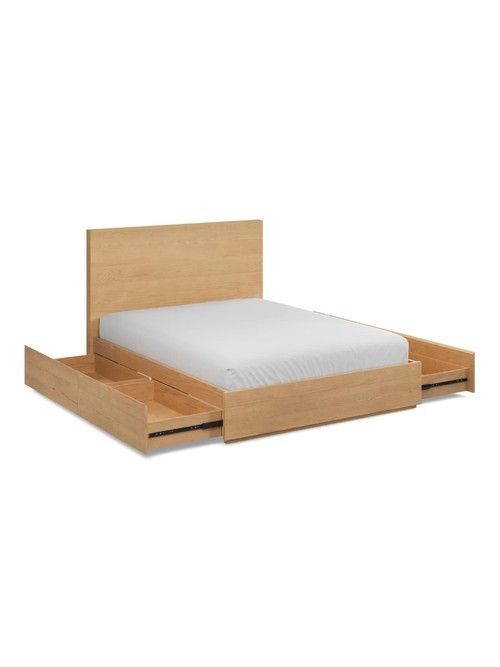
In a small apartment, the bed occupies too much space to be judged only as a place to sleep. The source recommends considering an integrated storage bed, particularly where spare linens, towels, and seasonal clothing would otherwise overwhelm the closet. Concealed compartments can reduce visible clutter without introducing another large cabinet. Under-bed baskets and rolling drawers are alternatives, but a purpose-built arrangement can make the storage feel like part of the room.
Match dining furniture to everyday demand
An extendable or collapsible dining table is another way to avoid giving permanent floor space to occasional needs. The important distinction is between the room's usual routine and its largest possible gathering. Select pieces that accommodate both without making daily life awkward. The article's general principle is that attractive furniture should earn its place through useful functions, especially when every additional object affects movement around a compact home.
Choose bed storage by its opening and contents
Peggy Haddad describes concealed bed storage as a way to handle spare linen and seasonal belongings without adding another cabinet. Drawers and lift-up bases, however, need different access space and operating effort. Measure the items to be stored and check the current mechanism before choosing. Storage underneath the existing bed may remain a practical alternative if a complete replacement is unnecessary.
Plan for the table's expanded state
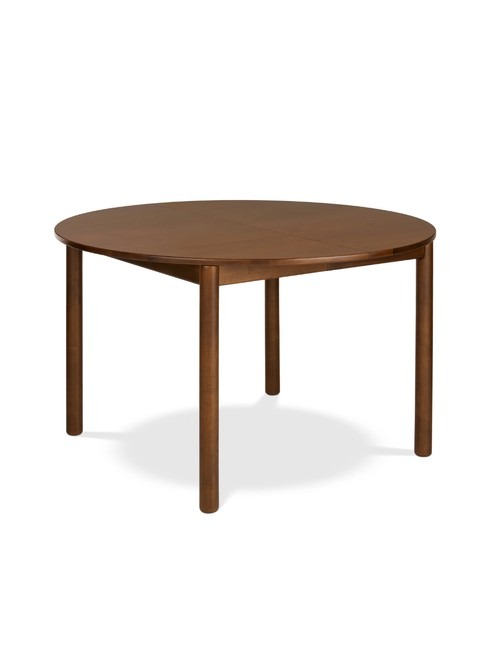
Jennifer Jones recommends extendable, drop-leaf, or folding dining surfaces as ways to accommodate occasional guests. Their everyday footprint is only part of the decision: chairs and serving space must still fit when the table is open. Decide where any extra chairs and leaves will be stored between gatherings. The source calls these hardworking pieces essentials, but not every apartment needs every item in the edit. Compare the actual routine and available space so a dual-purpose purchase solves a real problem rather than adding another mechanism that will rarely be used.
Compare access to the stored belongings at the time they are needed
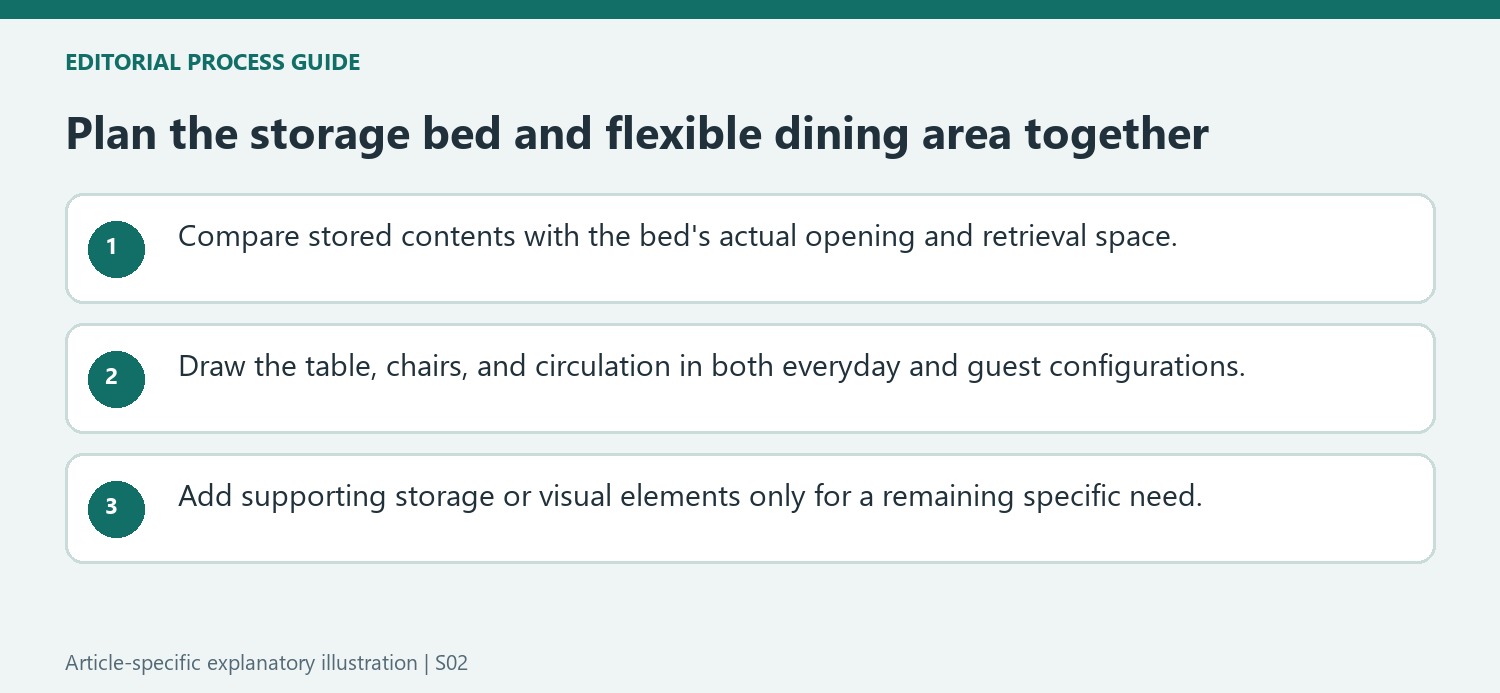
A lift-up bed base and drawers can both conceal objects, yet require different movements around the frame. Identify which contents are seasonal and which are retrieved daily, then compare access when the bed is made and surrounding furniture is in place. A side drawer may be obstructed by a wall or table, while a lifted base must be operated according to its actual instructions. The source's emphasis on concealed storage concerns managing visible clutter, not evidence that replacing a functioning bed is always worthwhile. Suitable containers under an existing frame may resolve the same immediate need. The best comparison includes internal dimensions, opening space, and the effort required for routine retrieval.
Draw the dining area in the state used for guests
An extendable table saves area only in its smaller state. Add the chairs, their occupied depth, and the serving route to the expanded outline before assuming the gathering will fit. A folding design also needs a practical destination for its stored parts, and any separate leaves should be accounted for. The source contrasts regular daily needs with occasional entertaining, so choose the mechanism according to how often it will change. An illustrative setup might use the smaller surface as a daily work or eating position, then temporarily rearrange suitable movable chairs for visitors. That is useful only if the change can be made without displacing essential access or leaving another needed activity without a home.
Evaluate the supporting pieces by the problem they remove
The guide also proposes wall storage, storage ottomans, and mirrors. Each contributes something different. Shelving can reduce the need for a freestanding unit while still requiring suitable mounting and accessible contents. An ottoman can conceal blankets, but its roles as seat, footrest, and serving surface need prioritizing in use. A mirror changes the view and reflected light rather than increasing physical storage or floor area, and needs appropriate fitting. Compare these additions after the bed and dining requirements have been mapped. The article's enthusiastic essentials language is a curated recommendation, not a complete shopping requirement for every apartment. Retain the pieces that solve a specific remaining constraint instead of multiplying dual-purpose objects that are awkward to operate together.
References
- My Best Friend Asked Me How She Should Update Her Small Apartment – These Are the 5 Hard-Working Pieces I Will Always Recommend. Homes and Gardens; Devin Toolen.
In a small apartment, the bed occupies too much space to be judged only as a place to sleep.


Leave a Comment