
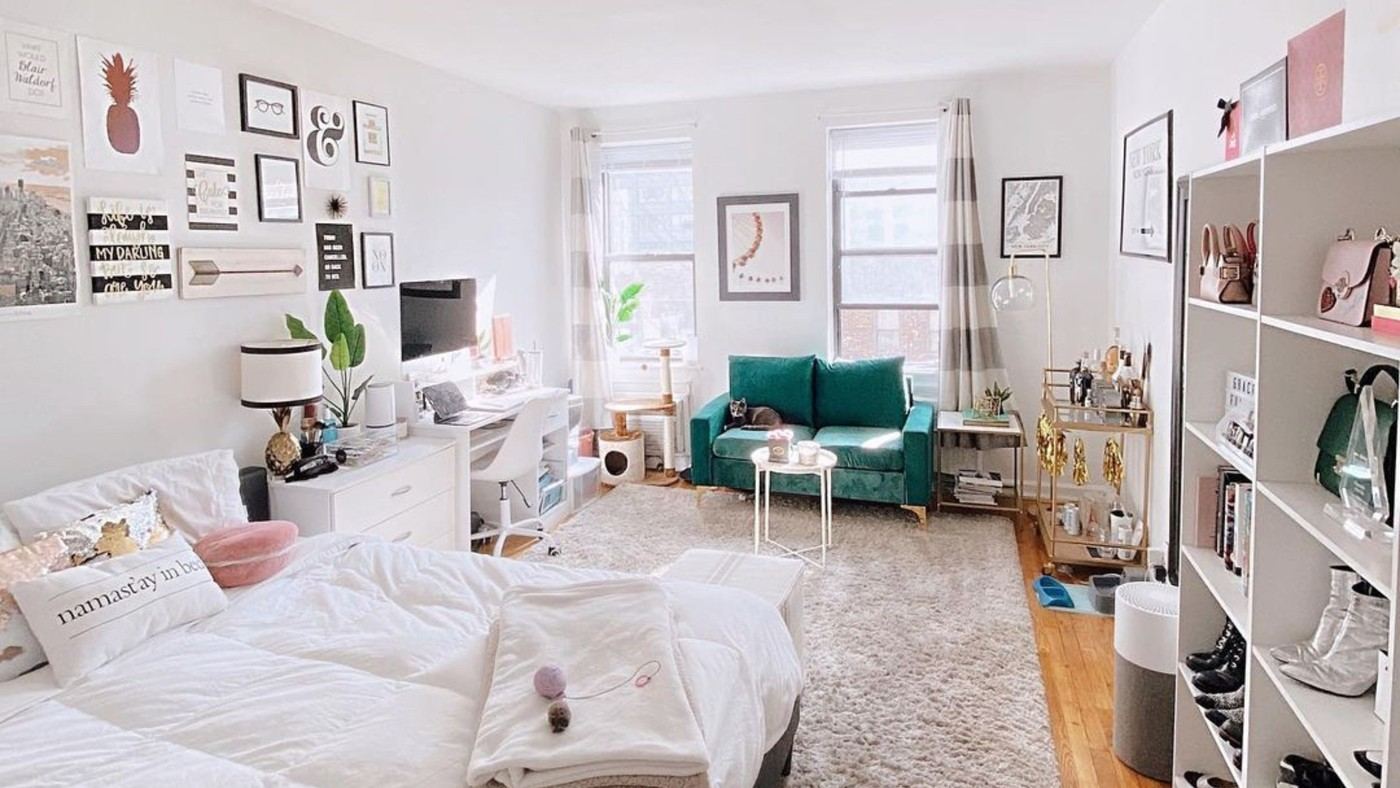
Understand the Daily Tradeoffs of a Studio Apartment
The source defines a studio as one main room combining living, sleeping, and a kitchenette, usually with a separate bathroom. It can require less furniture and cleaning than a larger apartment, but separating activities and storing possessions may be more difficult.
Multifunctional furniture, restrained decoration, and vertical storage can help. Rugs can distinguish activity zones without adding walls. Compare the actual layout, light, noise, and storage with your needs rather than assuming every studio offers the same cost savings or suits the same number of occupants.
Understand what shares the main room
The reference defines a studio as a self-contained home in which sleeping, living, and cooking generally occupy one main space, with a separate bathroom. Actual kitchen equipment, storage, and layouts vary. The source describes a general housing type rather than a specific property specification. Inspect the particular listing instead of assuming the label guarantees a certain appliance, natural-light level, or arrangement of facilities. Legal definitions and minimum housing requirements also depend on location.
Compare the daily trade-offs with the actual property
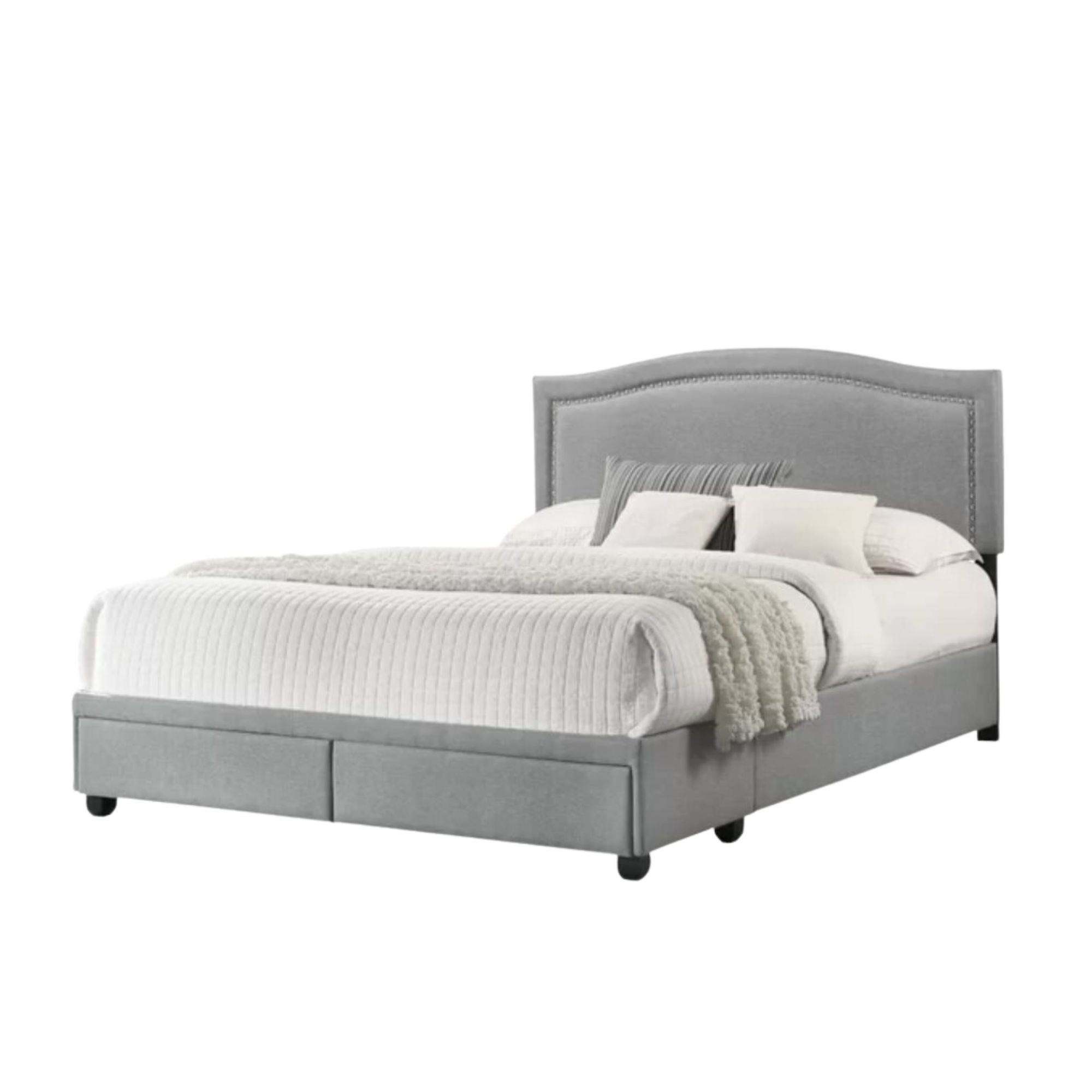
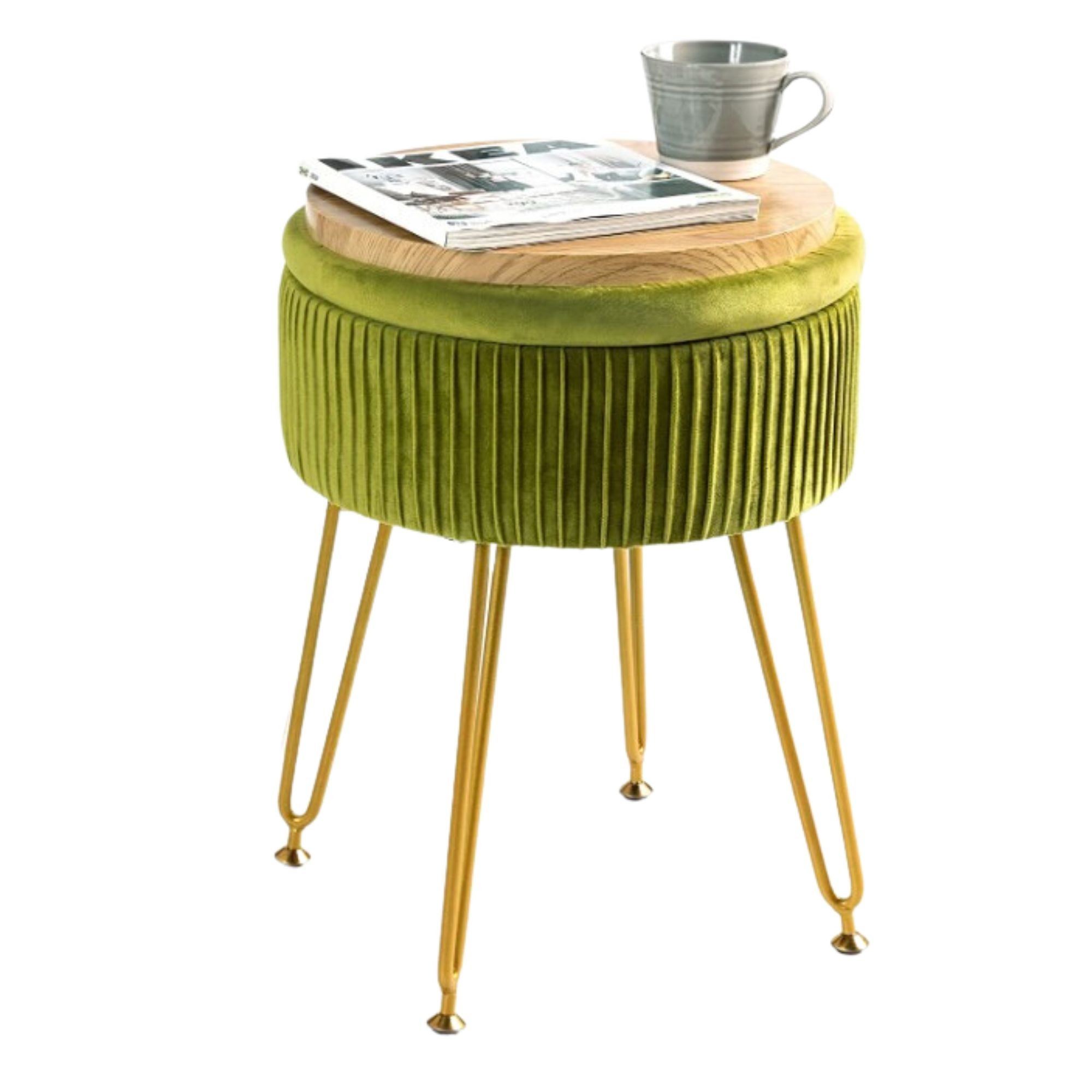
The writer values simpler maintenance and fewer furnishing needs while acknowledging limited storage and difficulty separating activities. Lower cost is presented as a possible advantage, but rent depends on location and the specific property. Consider how cooking smells, work calls, guests, and sleep will coexist in the proposed room. A bed with storage, an ottoman, or a desk that doubles as a dining surface may help, but each still needs enough access space. A few deliberate zones and possessions suited to the available storage are more useful than assuming the whole room will function exactly like the writer's former home.
Walk through a complete day in the proposed layout
The source describes the convenience of having most activities within one main room alongside the difficulty of separating them. Test the actual property by imagining an ordinary sequence: preparing breakfast, taking a work call, putting equipment away, and getting ready to sleep. Identify which activity would disturb another person if the home is shared. A desk that doubles as a dining table can be efficient when the changeover is manageable, but not if essential work must remain spread across it every evening. The writer's positive personal experience is one example. The useful decision is whether the specific layout supports the occupant's routine without requiring constant inconvenient rearrangement.
Inspect the storage rather than counting furniture alone
A smaller apartment may need fewer large furnishings, yet its everyday possessions still require appropriate places. Open and measure the actual cupboards and consider which belongings could be stored under a suitable bed or within an ottoman. Vertical shelving can make better use of a wall while frequently used contents should remain accessible and the unit should be fitted appropriately. An over-the-door organizer also depends on the door and the product's requirements. The article recommends restrained decoration, which need not mean removing the personal objects that make the home appealing. It means matching the displayed and concealed contents to the space available, instead of expecting a minimal-looking furniture plan to solve an unexamined storage problem.
Compare the local property with the general housing label
The reference distinguishes a studio from a home with a separate bedroom and describes lofts in general terms as converted, often larger spaces. Actual listings and local definitions vary, so inspect the rooms and facilities rather than relying on the name alone. Note the available cooking equipment, bathroom arrangement, natural light, noise, and any relevant occupancy conditions. A compact home can be economical in one location while carrying a different cost trade-off elsewhere. Rugs or lighting may help establish activity zones, but cannot create a separately enclosed sleeping room. Treat the viewing as a check of the whole daily environment, including access to the surrounding neighborhood, rather than a search for a universal studio lifestyle. Record any unresolved questions about facilities or everyday access while viewing, so they can be checked against the actual listing.
References
- OK: What exactly is a studio apartment?. Real Homes; Eve Smallman.
A shared living and sleeping room offers simplicity alongside limits on privacy and storage.


Leave a Comment