
Temporary Room Division Ideas From Screens and Drapes
Choose the reversible examples
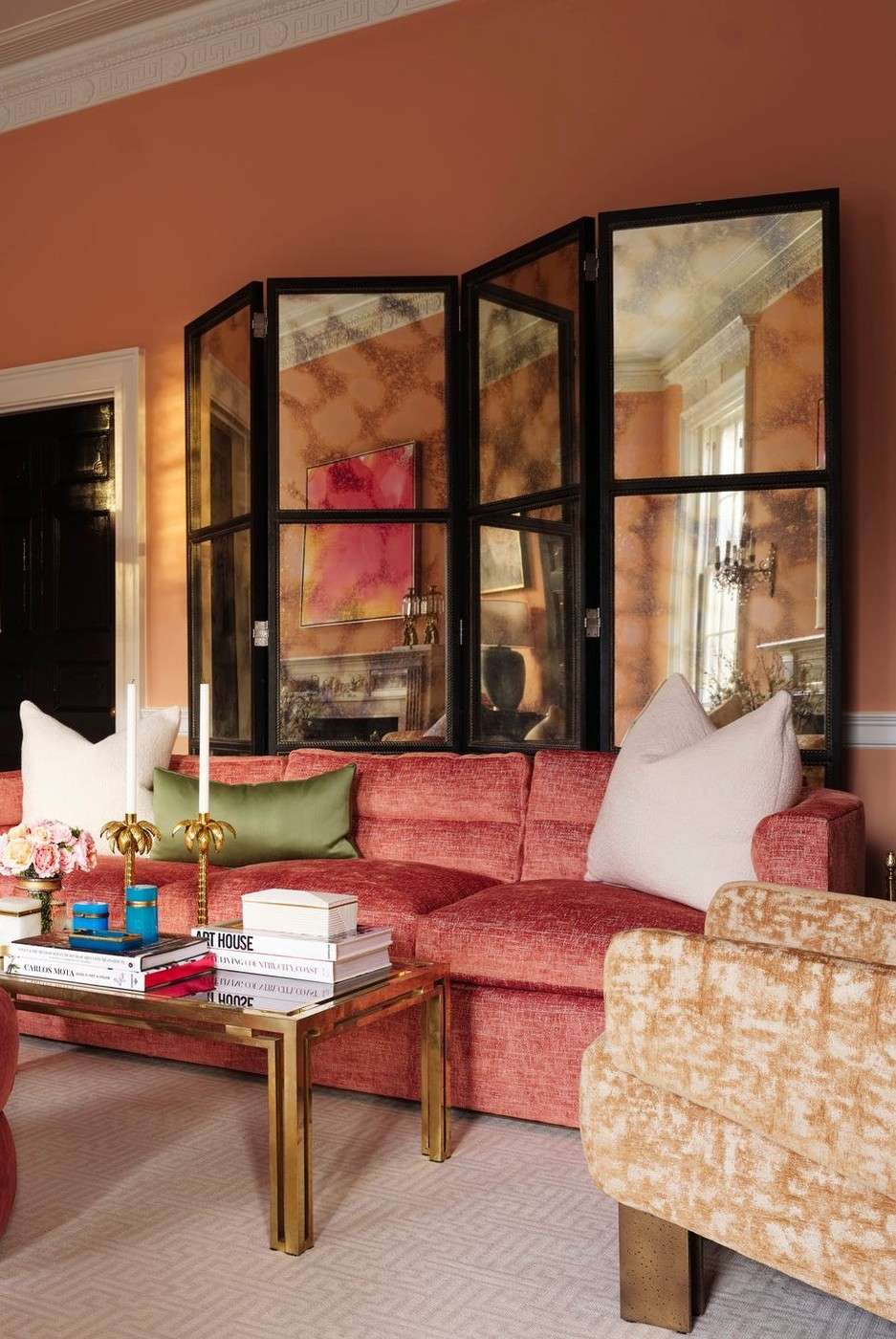
House Beautiful's room divider collection includes both construction projects and lighter decorating solutions. For a temporary change, the useful starting points are folding screens and drapery rather than steel partitions or new pocket doors. A mirrored folding screen can separate a sitting area while reflecting light. A vintage screen can also repeat a ceiling or furnishing color, giving the division a deliberate place in the room's palette.
Preserve light and circulation
Think about what the divider should hide and which views should stay open. A screen near an entrance can create a small arrival area without enclosing the entire living room. Drapes let a busy kitchen or resting nook retreat from view when needed, though their supports still require suitable installation. Keep paths between seating, doors and windows usable. These approaches create visual separation and intimacy; they do not provide the sound isolation or complete enclosure of a built wall.
Separate the folding options from the construction examples
The reference includes built-in bars, glazing, pocket doors, and stair alterations as well as screens. Those larger projects have different structural, installation, and approval demands. A folding screen can be moved, but its open configuration still needs stability and floor space. Check the intended setup and keep it away from positions where a door or passing person is likely to knock it.
Use the divider to control a specific view
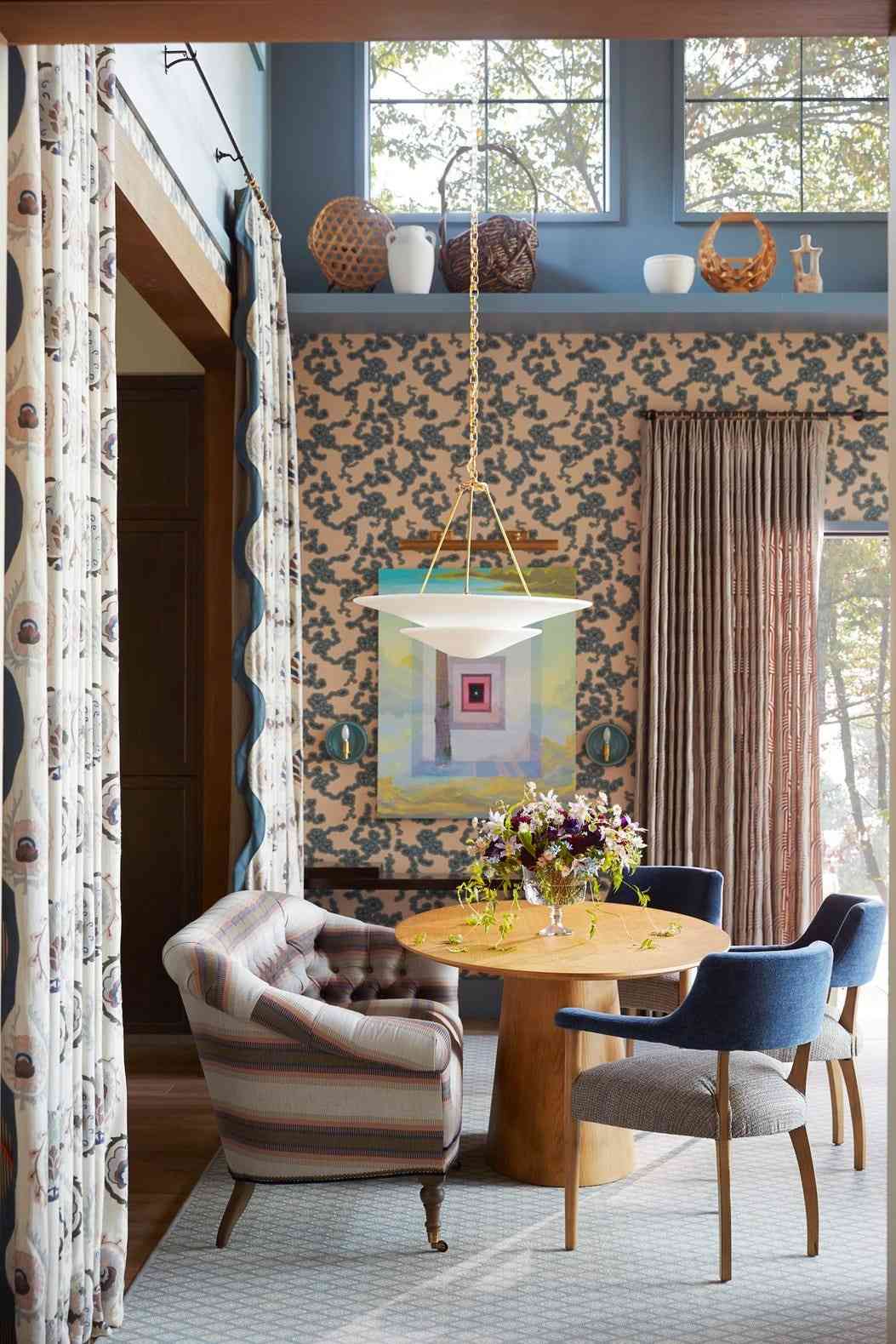
Dane Austin’s drapes screen a kitchen after entertaining, while a mirrored screen in Melanie Turner’s living room affects reflected light and visual openness. These examples solve different problems. Decide which sightline should change before selecting the material. A mirrored panel does not add actual floor area, and drapery will not necessarily isolate kitchen sounds. Keep the support system appropriate for the full fabric weight and allow easy passage when the boundary is closed.
Choose the kind of separation before choosing the object
The House Beautiful collection ranges from drapery and folding screens to fitted glazing, shelving, and redesigned architectural elements. These interventions solve different problems and involve very different levels of commitment. Describe the actual need: screening kitchen activity from a seat, creating a more intimate arrival, or supplying a backdrop for a small work area. A visual boundary does not automatically create acoustic privacy, a separate room, or a compliant sleeping enclosure. Compare what remains visible from the positions people occupy rather than judging only a wide photograph. This helps narrow the choices before the decorative finish becomes the main attraction.
Follow daylight and circulation around the proposed boundary
Several source examples retain light through glass, open shelving, or narrow slats. A lighter-looking partition may still obstruct a route when its footprint, doors, or supports are included. Mark the proposed position with the surrounding furniture in use and check the path to windows, exits, and storage. A folding screen also needs its specified stable configuration; stretching it into a flatter line may change both its footprint and stability. A mirrored surface can reflect light and views without making the floor area larger. Notice what it would reflect at different times of day, especially if the intended purpose is concealing a busy area.
Separate movable choices from installed construction
Dane Austin's drapery example and Melanie Turner's mirrored screen illustrate different ways of modifying the view, but their installation conditions cannot be inferred from appearance alone. Curtains require suitable hardware, support, and fabric clearances. Tall shelving may need anchoring even if it is sold as furniture, while suspended shelves require an appropriately assessed fixing. Glazed walls, stair changes, and built-in bars belong to a different scope of work from placing a portable screen. In a rental, establish the permitted scope before borrowing an architectural idea. The strongest temporary arrangement is the one that supplies the required visual pause while leaving ordinary movement, light, maintenance, and the future reset of the room practical. Consider where unused panels or fabric will be stored between activities.
References
- This Timeless Design Feature Is the Easiest Way to Transform a Space, According to Designers. House Beautiful; Kate McGregor.
House Beautiful's room divider collection includes both construction projects and lighter decorating solutions.


Leave a Comment