

Protect the Furniture a Small Living Room Uses Every Day
Repeatedly sitting on the same sofa cushion can create uneven wear. House Beautiful's furniture-care guidance recommends varying the seating position and regularly plumping or rotating cushions where the design allows, helping the filling retain a more even shape.
The article also warns against placing hot mugs directly on wooden tables because heat and moisture can mark the finish. Coasters provide a simple protective layer. In a compact room where a few pieces receive frequent use, these small habits can help the existing furniture stay comfortable and presentable for longer.
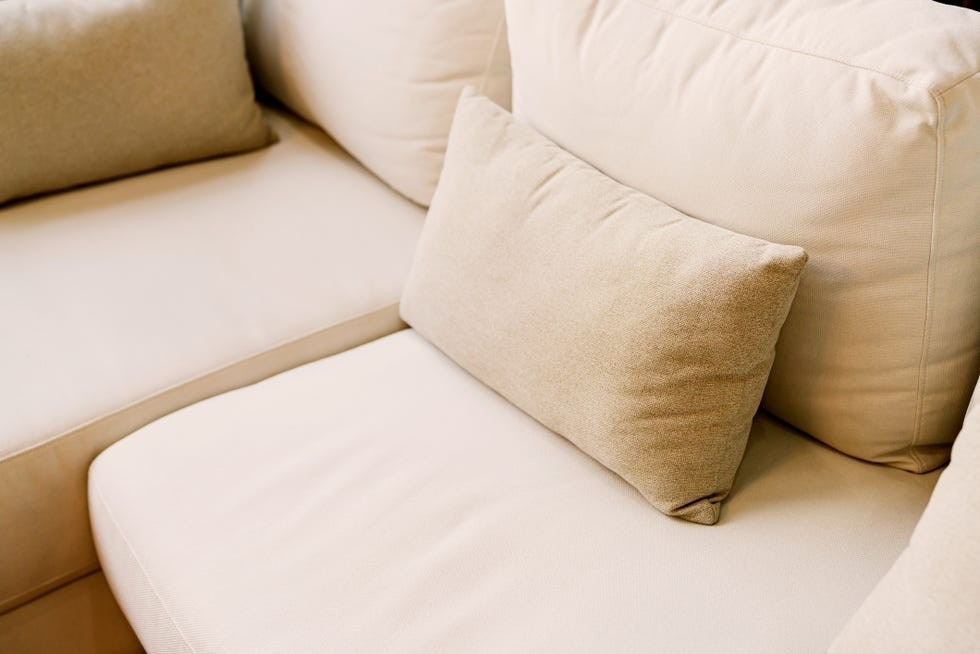
Spread everyday use across the seating and surfaces
Josh Branigan advises rotating seating positions and reshaping cushions so that one part of the sofa does not receive all the wear. Coasters kept close to the chairs also make it easier to protect timber from hot mugs and moisture. These habits address repeated exposure rather than promising to reverse existing damage. Follow the upholstery maker's instructions before rotating a cushion that may have a specific orientation or construction.
Match maintenance to the actual material
The source discusses prolonged sunlight, dust, loosened fittings, food residue, and unsuitable cleaning chemicals as separate causes of deterioration. A soft cloth and a suitable dusting routine can remove particles before they are rubbed across a finish, while periodic inspection can identify an unstable connection. Check assembly and care guidance before tightening hardware or applying a cleaner, since excessive force and inappropriate products can introduce another problem. If a surface is already damaged, identify its finish before attempting treatment. The article's practical contribution is a set of preventive checks, not a universal cleaning recipe for wood, leather, and every upholstery fabric.
Put preventive supplies where the furniture is used
A coaster is more likely to protect the table if it is already within reach of the usual seat. The same principle applies to a suitable tray for occasional sofa meals and the tools recommended for the actual upholstery. Identify the surface that repeatedly receives a mug, the cushion that always gets used, and the corner where crumbs collect. Addressing those patterns is more specific than adding a general cleaning product to a cupboard. The article's point is that small repeated exposures accumulate. These changes can reduce future wear, but do not demonstrate that a heat mark, faded textile, or compressed filling will recover merely because the new routine has begun.

Review sunlight without sacrificing the room's daily function
Branigan identifies prolonged direct sun as a cause of fading or deterioration in several materials. Observe which part of a sofa or cabinet receives the strongest exposure and whether blinds or curtains can be adjusted during that period. Rotating a suitable movable piece may distribute exposure, but not every room has another workable position for the main furniture. Compare the existing layout and care instructions before changing it. Window film is an option mentioned by the source, not a universal prescription; suitability and performance need checking for the actual glazing and product. The objective is to reduce unnecessarily concentrated exposure while keeping the living room useful and comfortable.
Distinguish a loose fitting from a cleaning problem
An unstable table or shelving connection needs a different response from a dusty finish. Inspect the fitting in accordance with the assembly instructions and avoid simply forcing every screw tighter. Stop using a piece that remains unstable until the cause is addressed appropriately. For ordinary surface care, identify the material and finish before selecting a cloth or cleaner. Leather, coated timber, and upholstery can require different treatment even when they sit next to each other in the same room. The source does not offer a restoration method for damaged coatings or structural faults. A maintenance record noting the manufacturer's guidance and any observed change can make future checks more useful than repeatedly applying an unsuitable product. Keep the care label or assembly document with that record so the appropriate instructions remain available.
References
- 7 Everyday Living Room Habits That Are Secretly Ruining Your Furniture. House Beautiful; Eve Smallman.
Repeatedly sitting on the same sofa cushion can create uneven wear.


Leave a Comment