
A Slim Settee Can Solve a Small-Room Sofa Problem
Check more than the overall width
A compact living room may reject an ordinary sofa even when its length appears acceptable. Depth can obstruct circulation, and a nearby closet may need room to open and remain accessible. The source describes a New York apartment where these constraints made many otherwise suitable couches impractical. A settee offered a slimmer alternative, showing why actual dimensions matter more than the broad label attached to a piece of furniture.
Compare proportions and comfort honestly
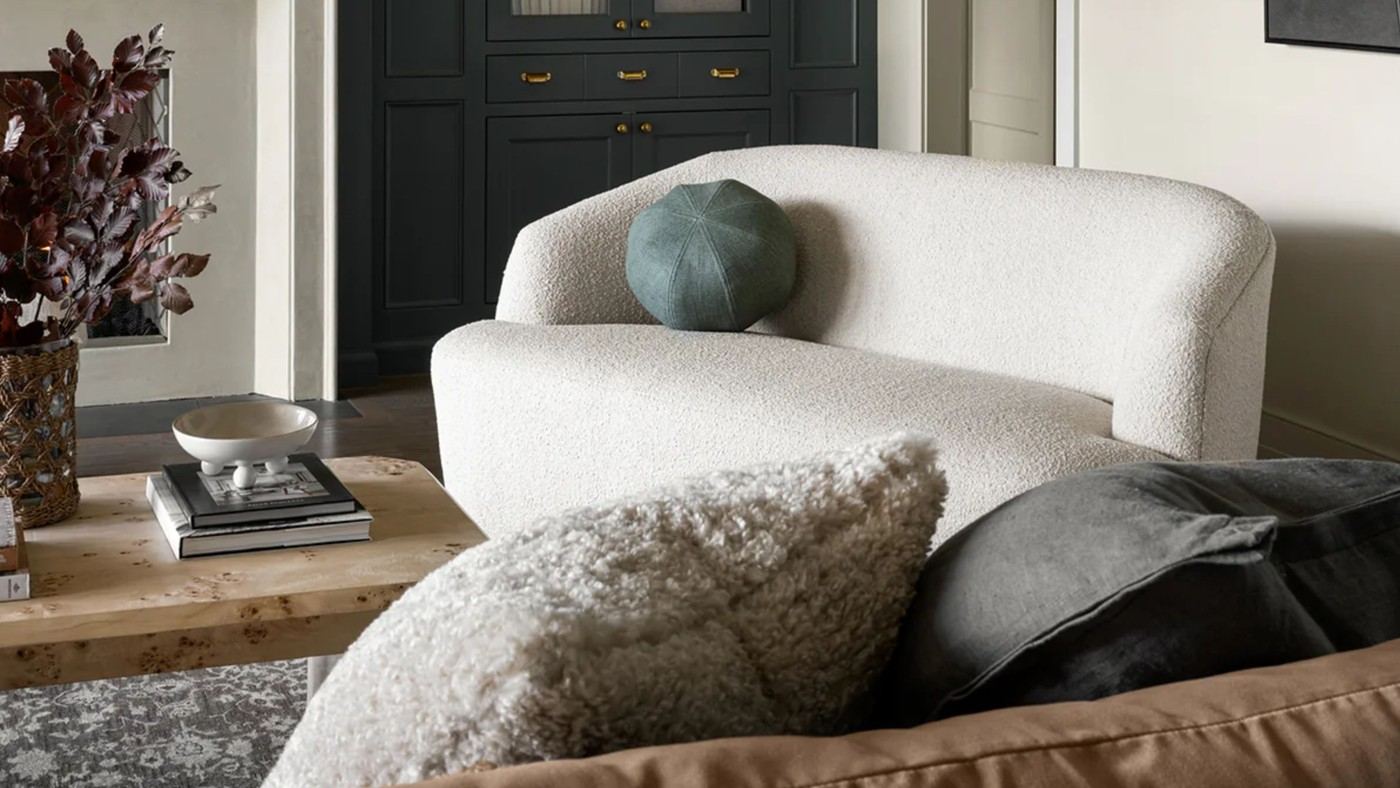
Settees can retain an elegant, intentional silhouette at a smaller scale, sometimes using lower or more open profiles to reduce visual weight. However, they commonly have a more upright seat and may feel less cushioned than a deep lounge sofa. Anyone considering one as the main seat should weigh those differences. A compact outline is useful only when its comfort and proportions also suit everyday life in the room.
Measure depth and access as carefully as width
The writer's apartment example is limited by a closet beside the intended sofa wall. A short overall length is therefore insufficient if the seat is too deep or makes the closet difficult to use. Compare the complete dimensions, including any arms and the space needed to approach the seat. A lower or armless profile may keep the sightline clearer, but that does not automatically make the furniture comfortable for every user.
Treat the settee label as a starting point for comparison
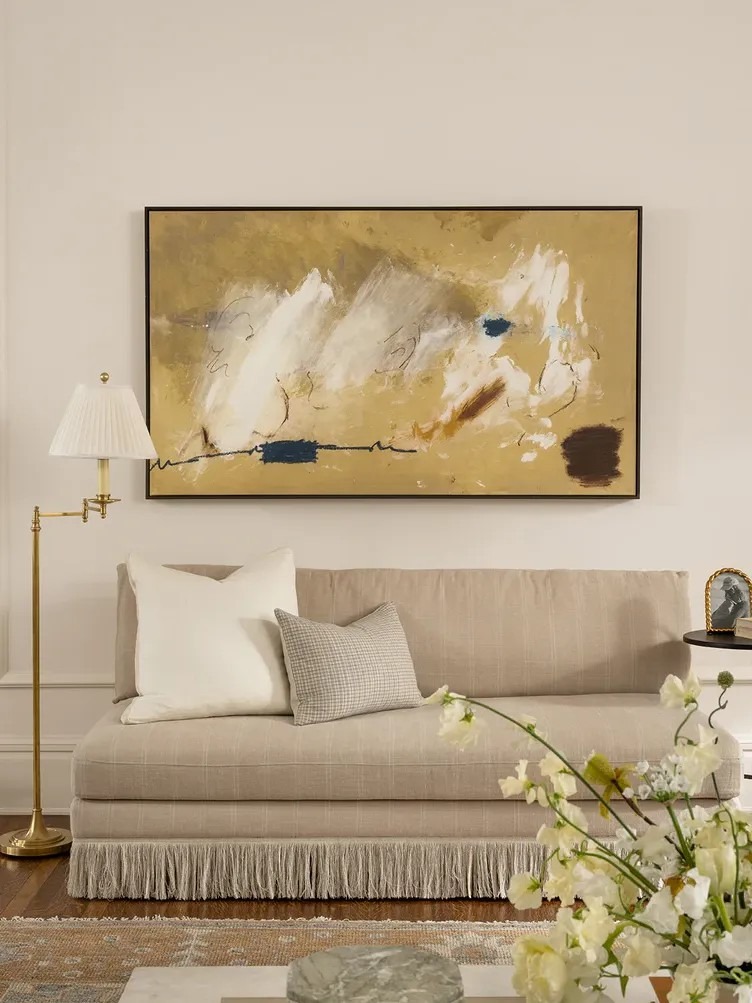
The feature describes slimmer, more formal seating with fringe, stripes, tufting, and other traditional references. Some examples are more upright than a typical lounging sofa, so test the seat depth, back angle, and support where possible. Decide whether the piece will be the main evening seat or an occasional bedroom or office addition. Retailer terminology varies, and the writer's preference for a settee over a loveseat is a stylistic judgment. The practical decision remains the relationship between the available footprint, the user's preferred posture, and access to neighboring furniture.
Separate the writer's apartment limit from your own measurements
The source's eighty-two-inch maximum describes one New York wall and the closet beside it. It is not a standard size that defines a settee or a recommended clearance for other rooms. Measure the usable wall in your own plan, then include the door or drawer that needs to open nearby. Compare depth with the route across the room as well as length along the wall. A compact-looking seat can still project into the only convenient passage. If the furniture must travel through a narrow entrance, delivery dimensions and any removable components also need checking. The useful lesson is the writer's attention to the full setting, rather than the exact number quoted.
Compare the open silhouette with the posture it supports
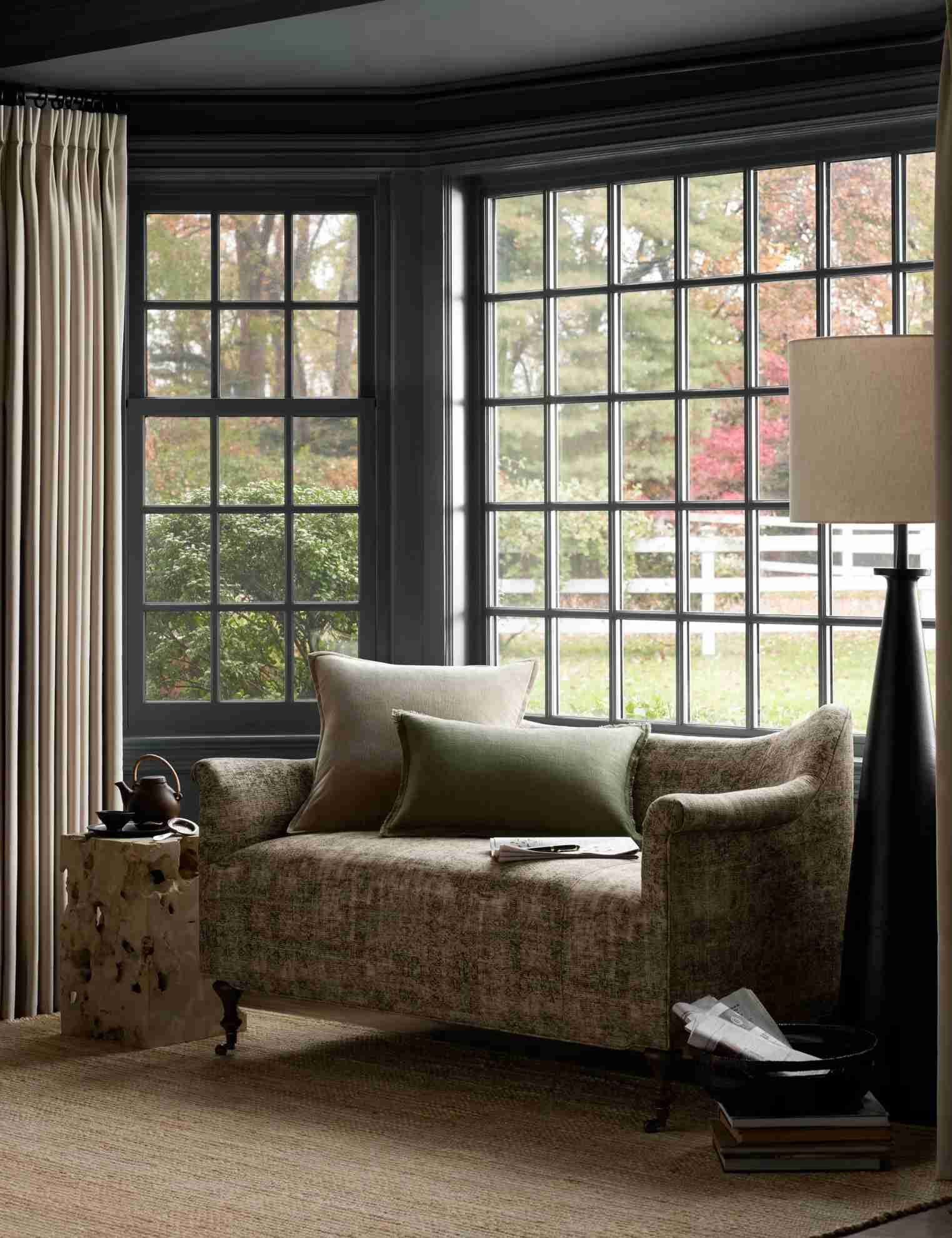
The article favors lower profiles and armless examples because they interrupt less of the view. An armless settee also changes how a person can lean, rest an elbow, or curl up. Test those ordinary uses rather than assuming a lighter outline is an improvement in every respect. Tufting, fringe, and skirts contribute to the decorative character without establishing comfort on their own. A more upright model may be appropriate for an occasional office seat while disappointing someone who wants to lounge through a long film. Write down the main activity and compare the actual cushion support and back position with it. The same furniture can be a good secondary seat and a poor primary sofa.
Check the specific product rather than buying the category name
The featured selections vary in upholstery, leg treatment, casters, and traditional detail. That range explains why the settee label cannot guarantee a uniform footprint or construction. A model with casters may be easier to reposition on a suitable floor, but its movement and stability should be assessed according to the product instructions. An upholstered skirt may hide the legs even when the seat itself is compact. Compare the current retailer dimensions, fabric options, and care information for each candidate. The article expresses a style editor's preference for the proportions of selected settees over loveseats; the final choice should serve the actual occupant and room rather than depend on which label sounds more sophisticated.
References
A compact living room may reject an ordinary sofa even when its length appears acceptable.


Leave a Comment