
Review Single-Purpose Furniture in a Small Sleeping Zone
The designers in the source caution against oversized beds, bulky furniture, additional wardrobes, and excessive trinkets in small bedrooms. They favor furniture that serves more than one purpose and a reduced number of unnecessary pieces.
Treat these as prompts for review rather than instructions to remove essential storage or choose an uncomfortable bed. In a studio, measure each piece alongside circulation and the possessions it must hold. Reducing duplication can be more effective than replacing everything with the smallest available version.
Review bulk and duplication separately
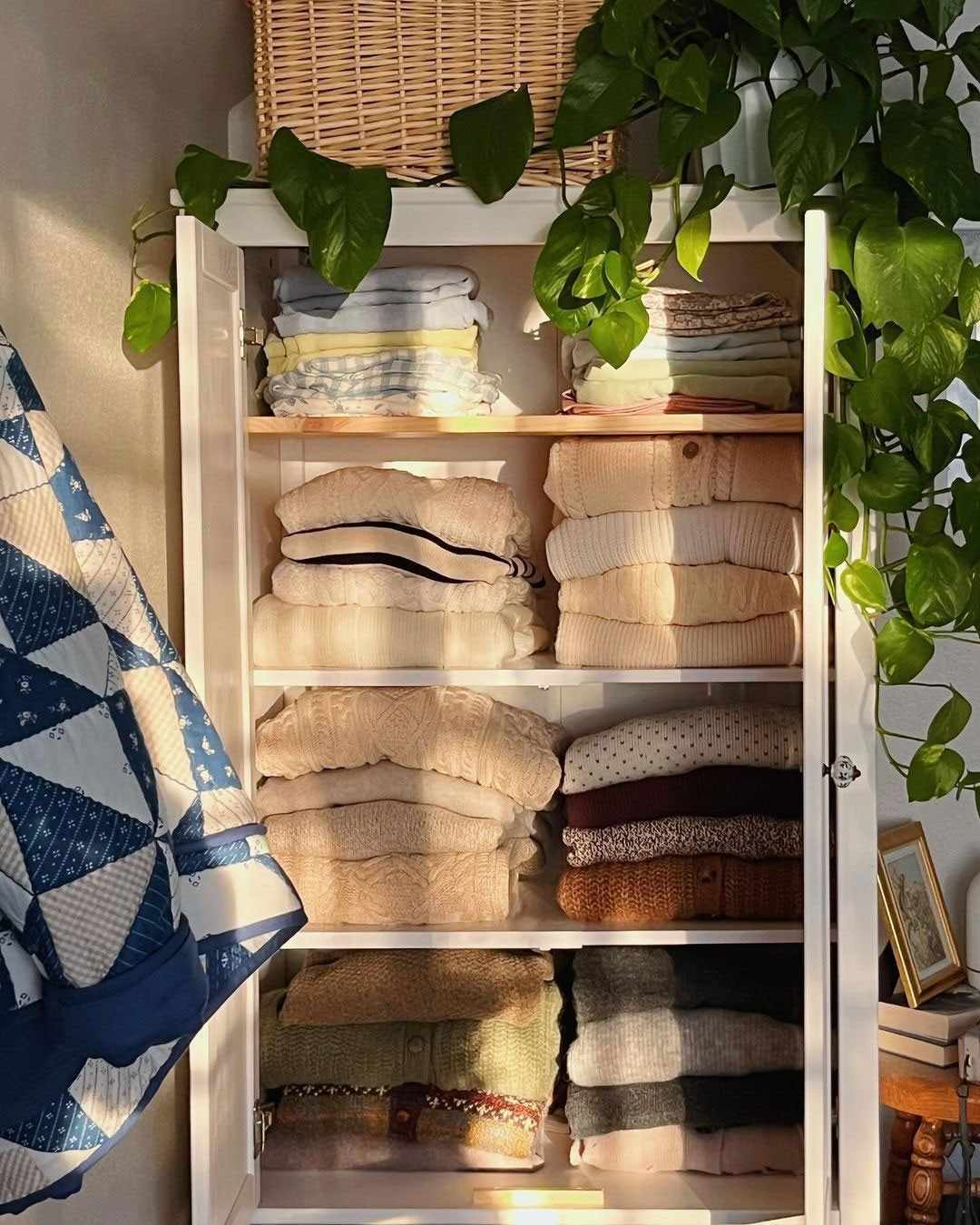
Jennifer Davis highlights large bed frames and heavy storage pieces, while Bethany Adams suggests consolidating clothing where feasible. A dresser can still be essential when the existing closet is inadequate. Compare what it holds with alternative storage before removing it. A slim frame may preserve the same mattress size while changing the overall footprint more usefully than choosing an uncomfortable smaller sleeping surface.
Ask whether each second function is easy to use
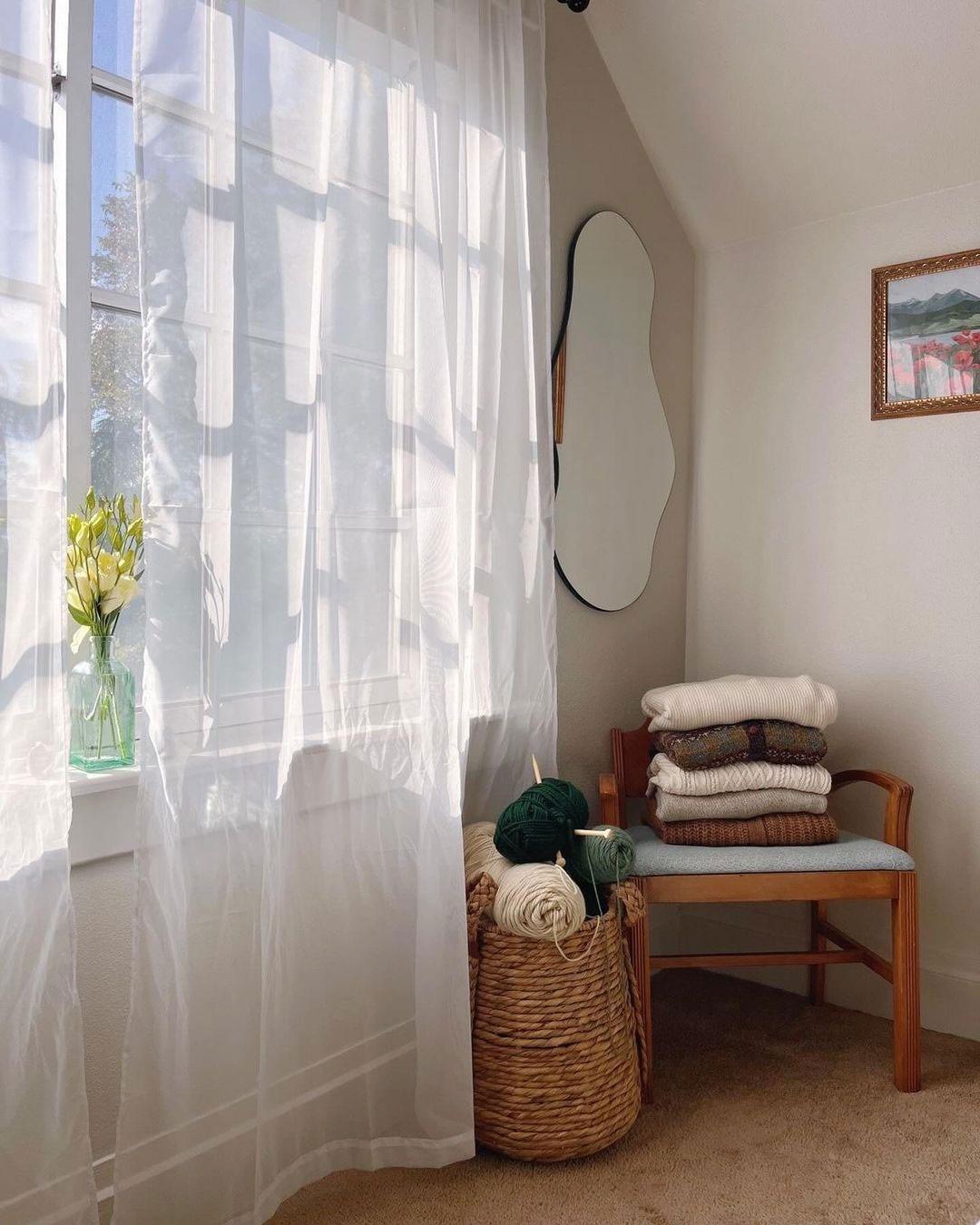
Lauren Lerner and Marta Balazs favor furniture that earns its position through practical roles. A seat with storage is helpful if its contents can be retrieved without constantly clearing the top. A wall-mounted bedside shelf needs a usable height and appropriate fixing. Do not select an awkward combination solely because it is marketed as multifunctional.
Edit display without removing personal character
The source cautions against crowded trinkets, competing patterns, and exercise equipment dominating the sleep area. Keep a few meaningful objects where they can be enjoyed and cleaned around. Identify a proper location for weights or other equipment rather than leaving them in the walking route. These are design judgments to adapt to the occupant, not a universal ban on color, decoration, or useful bedroom storage.
Review an item's actual contribution before applying a ban
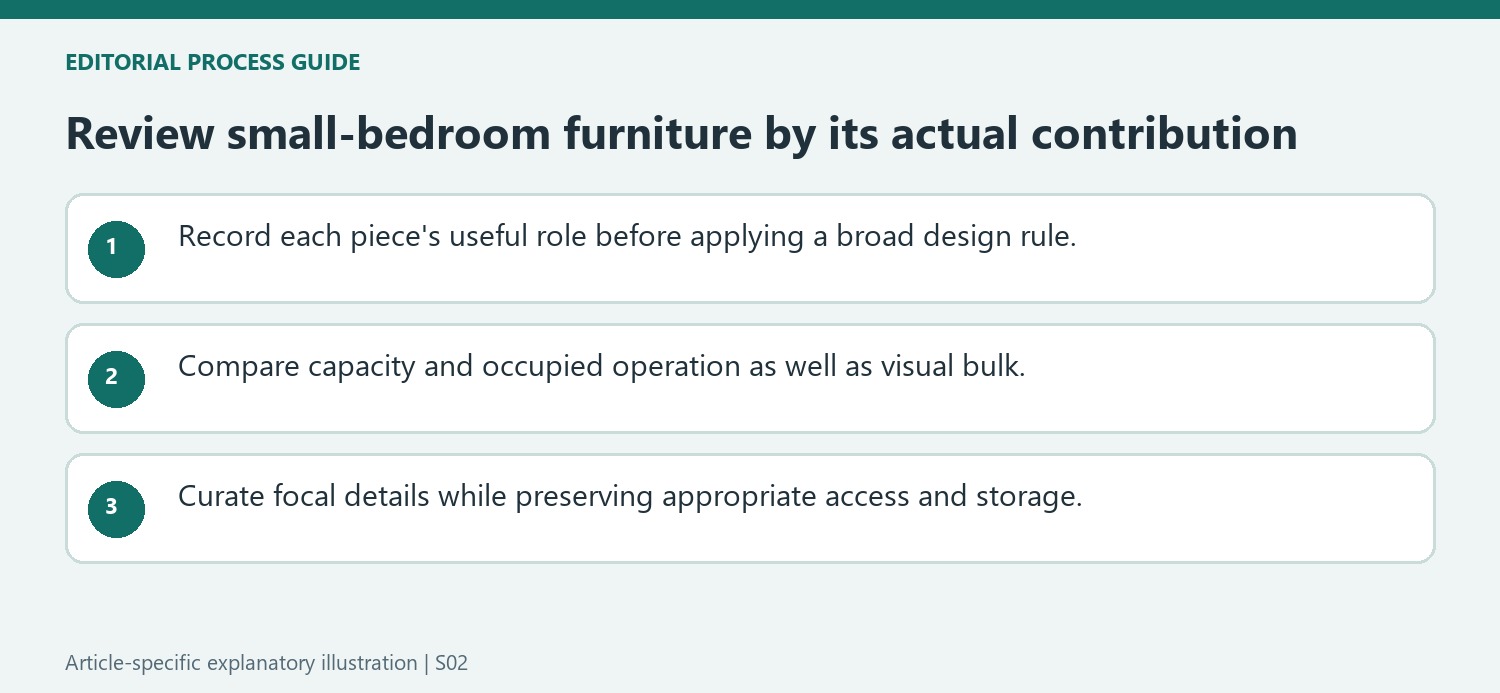
The source lists bulky furniture, extra clothing units, single-function pieces, excess ornaments, and exercise equipment as common problems in a small bedroom. Use those categories to question the actual arrangement rather than treating them as universal prohibitions. A dresser may be necessary where no suitable closet exists, while a spare chair may be unnecessary if it is never used. Record what each piece holds or supports and how often that function matters. Jennifer Davis and the other designers emphasize the constrained room's overall burden. A useful edit removes an unneeded role or resolves an excessive footprint, instead of discarding essential storage merely because it appears on a broad list.
Compare visual bulk with operating space and capacity
A slim bed frame can reduce the outline surrounding a mattress, but the bed still needs to suit its sleepers. Similarly, multifunctional furniture can combine roles while introducing an opening mechanism or heavier body. Compare each proposed replacement in use, including drawers, lids, and the seated person where relevant. A wall-hung bedside surface needs suitable installation and usable reach. The source's suggestion of reducing extra clothing furniture works best after the retained wardrobe has an appropriate destination. Moving the overflow into another room does not solve the home-wide storage problem by itself. Measure the useful result across the complete arrangement rather than counting how many functions appear in a product description.
Curate the visible details around a clear priority
The designers discuss both larger focal artwork and restraint with small decorative objects. Choose what the room should emphasize, then compare competing patterns and ornaments around it. A small number of meaningful items can remain without every surface becoming a display. Exercise equipment needs a useful and appropriate storage position if the bedroom is its only available location; concealment alone does not establish safe access or operation. Mirrors can reflect existing light and views, but their placement and fixing still matter. The source's emphatic language should be understood as design opinion, not a promise that editing objects guarantees restful sleep. Finish by checking the ordinary routes and daily routines. Keep the pieces that serve them well and revise those that create more inconvenience than value.
References
- 5 items interior designers never have in small bedrooms — we asked the experts. Real Homes; Camille Dubuis-Welch.
A compact room benefits from pieces whose size and function suit daily needs.


Leave a Comment