
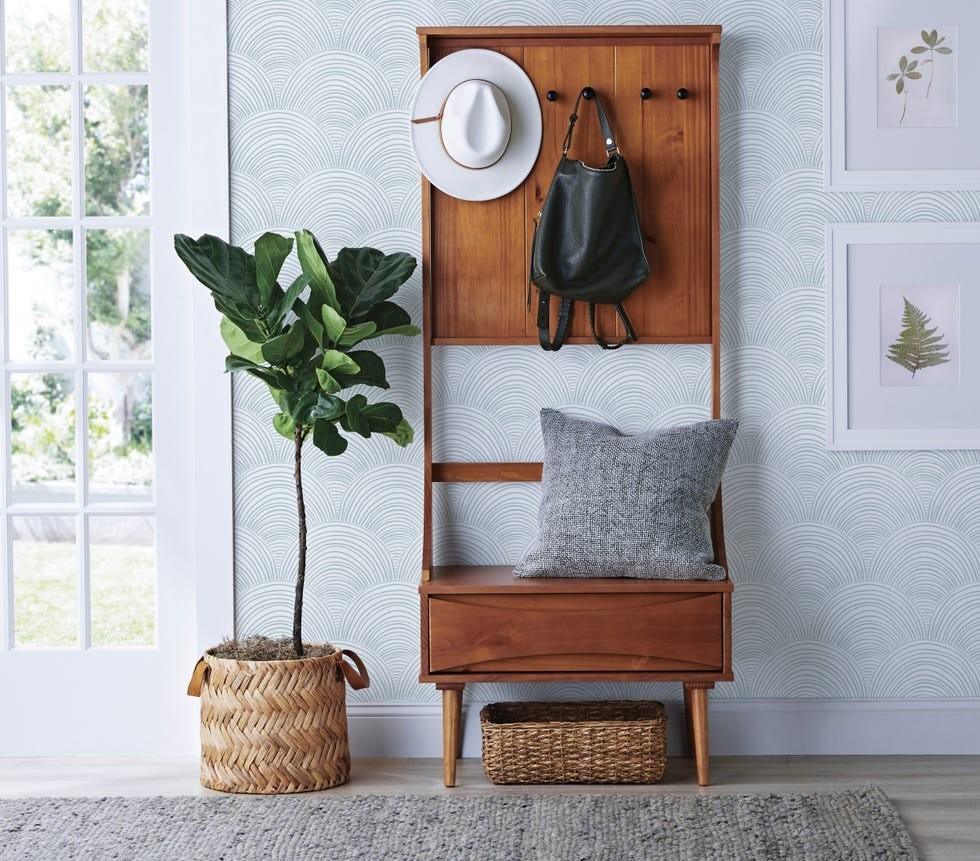
Leave Spare Capacity in the Entryway Storage System
The Home Edit's advice in House Beautiful includes an 80/20 approach to the entryway: use most of the available storage while leaving some capacity free for items that arrive unexpectedly. This helps a high-traffic area accommodate guests and everyday changes.
The broader recommendation is to plan a simple system around how belongings are actually used. Containers alone can become clutter if there is no clear purpose for them. Keep the entry's categories accessible and allow room for variation so maintaining order does not require a complete rearrangement whenever another coat appears.
Keep the spare space available for arrivals
Clea Shearer and Joanna Teplin describe leaving a buffer for temporary belongings such as guests’ coats or incoming packages. The eighty-twenty ratio is an organizing guideline rather than a requirement to measure every cabinet exactly. If the entry is already full, begin by moving out-of-season items elsewhere and keeping grab-and-go belongings near the point of departure.
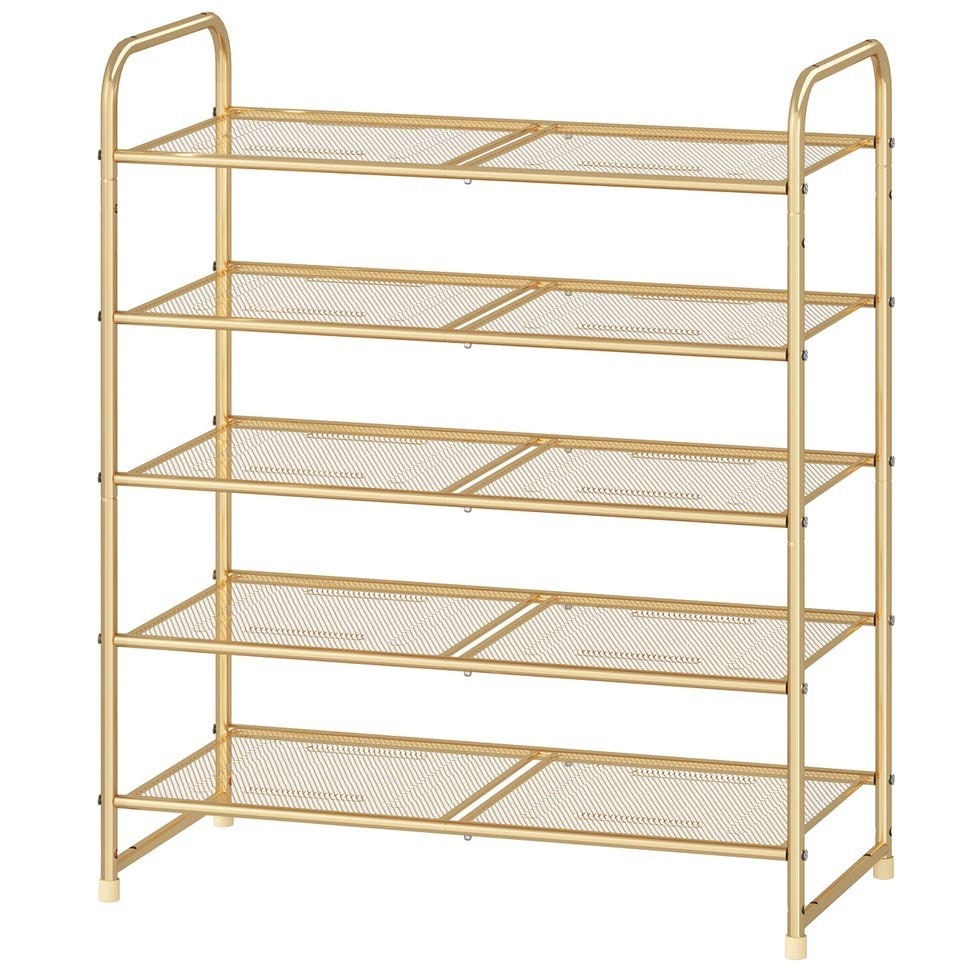
Plan a temporary arrangement for guests
A coat tree or additional shoe rack can help during a gathering if the room has a suitable position for it. Check the door swing and walking route before adding another piece. Decide where temporary items will go afterward so a guest solution does not become permanent overflow. Give daily shoes, bags, and keys clear locations that the household can reset without reorganizing the whole entrance.
Apply the same capacity principle carefully elsewhere
The source also discusses grouping pantry backstock and checking existing supplies before buying more. A small home may not have room for bulk reserves, even when they look orderly in bins. Choose an amount the storage can accommodate, leave labels visible, and review what is already available. The useful idea is enough capacity for normal variation, supported by purchasing and return routines.
Define what the spare capacity is intended to absorb
Clea Shearer and Joanna Teplin's 80/20 suggestion treats the entrance as a changing system rather than a display filled to its maximum. Identify the temporary arrivals that occur in the household: a parcel, a visitor's coat, or outdoor items returning from a wet day. Give that overflow a plausible position without blocking the door. The ratio is a planning heuristic, not a measured threshold that guarantees an organized entrance. Its practical value is the deliberate decision to leave some capacity unused. Compare the ordinary loaded arrangement with a busier arrival so the reserved space answers a real event rather than being an arbitrary empty shelf.
Keep daily and seasonal contents separate from long-term storage
The source recommends grab-and-go and in-season belongings near the door. Review the hooks and shelves by what the household actually uses this month. A winter accessory collection may need a different assigned area when warmer weather arrives. Rarely used luggage or an old stack of paperwork should not gradually consume the easiest entrance capacity simply because it is available. Establish a destination elsewhere for those categories. An illustrative maintenance check could follow a normal departure and ask which items were easy to find and which had to be moved first. The result should make the ordinary routine simpler before accommodating occasional entertaining.
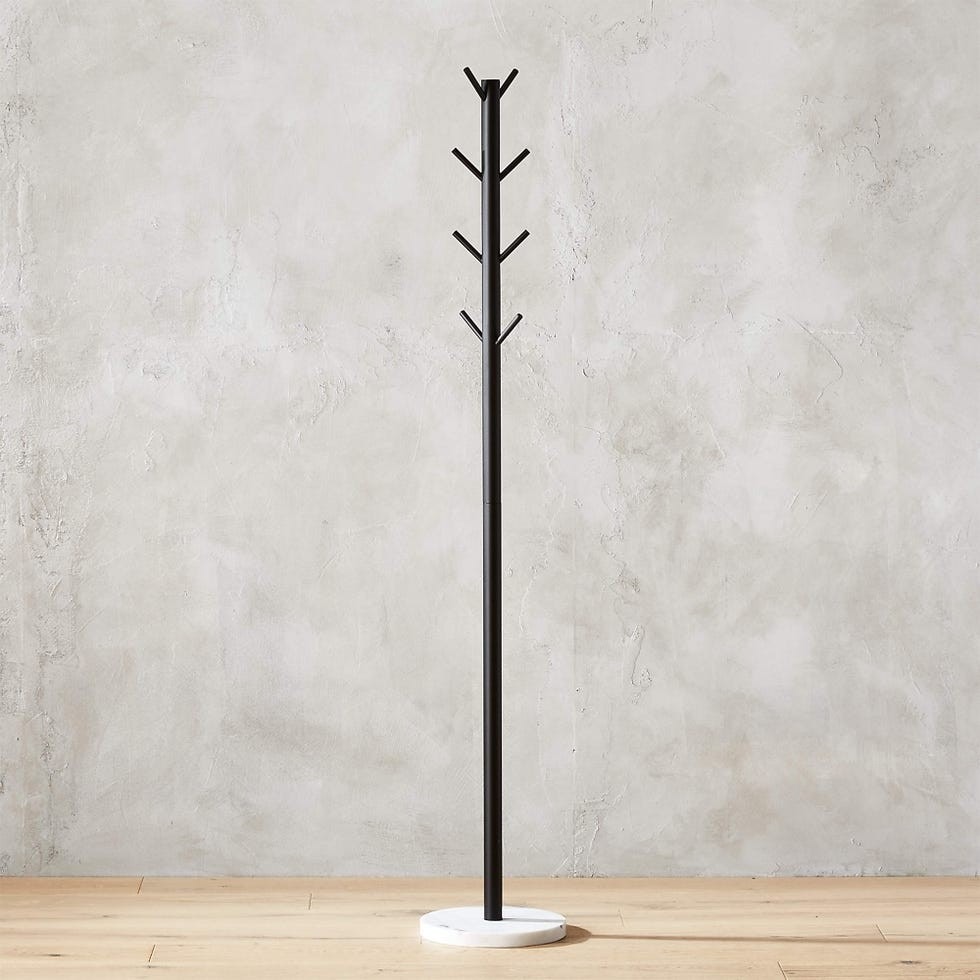
Plan hosting without leaving temporary furniture in the route
The article suggests an extra coat tree or shoe rack for a gathering, but compare those options with the actual entrance and expected guests. A compact apartment may need a temporary coat location in another suitable area instead of adding a standing rack near the door. Decide where that equipment is stored afterward and how guests will recognize the available space. The source's pantry and laundry advice applies the same principle of deliberate categories, although it does not mean that bulk supplies belong in a small entrance. Keep each area's purpose clear. After the event, return the threshold to its ordinary arrangement so short-term overflow does not become a permanent second layer of belongings. Include the overflow area in the next ordinary reset.
References
- The Home Edit Swears by This Smart Rule for Keeping Your Space Organized. House Beautiful.
The Home Edit's advice in House Beautiful includes an 80/20 approach to the entryway: use most of the available storage while leaving some capacity free for items that arrive unexpectedly.


Leave a Comment