
Use Shoe Storage That Adds Another Useful Function
Real Homes' studio-storage guidance recommends slim shoe cabinets that can also serve as entry tables, or storage benches that provide seating. A tiered rack may use the area under hanging coats when an existing closet has enough clearance.
The guide also discusses stackable food containers as a way to reduce bulky packaging in a small pantry. In both cases, begin with measurements and the real collection. Combining functions can help a studio stay organized, but the furniture and containers still need to be accessible in the daily routine.
Start the shoe decision with the collection and the entrance
Organizer Eve Mitchell suggests combining a slim cabinet with a landing surface or using a bench designed to store shoes. Count the everyday pairs and measure their size before relying on an advertised capacity. Check the door swing, walking route, and room needed to sit. A cabinet can act as an entry table without being suitable to bear a person’s weight.
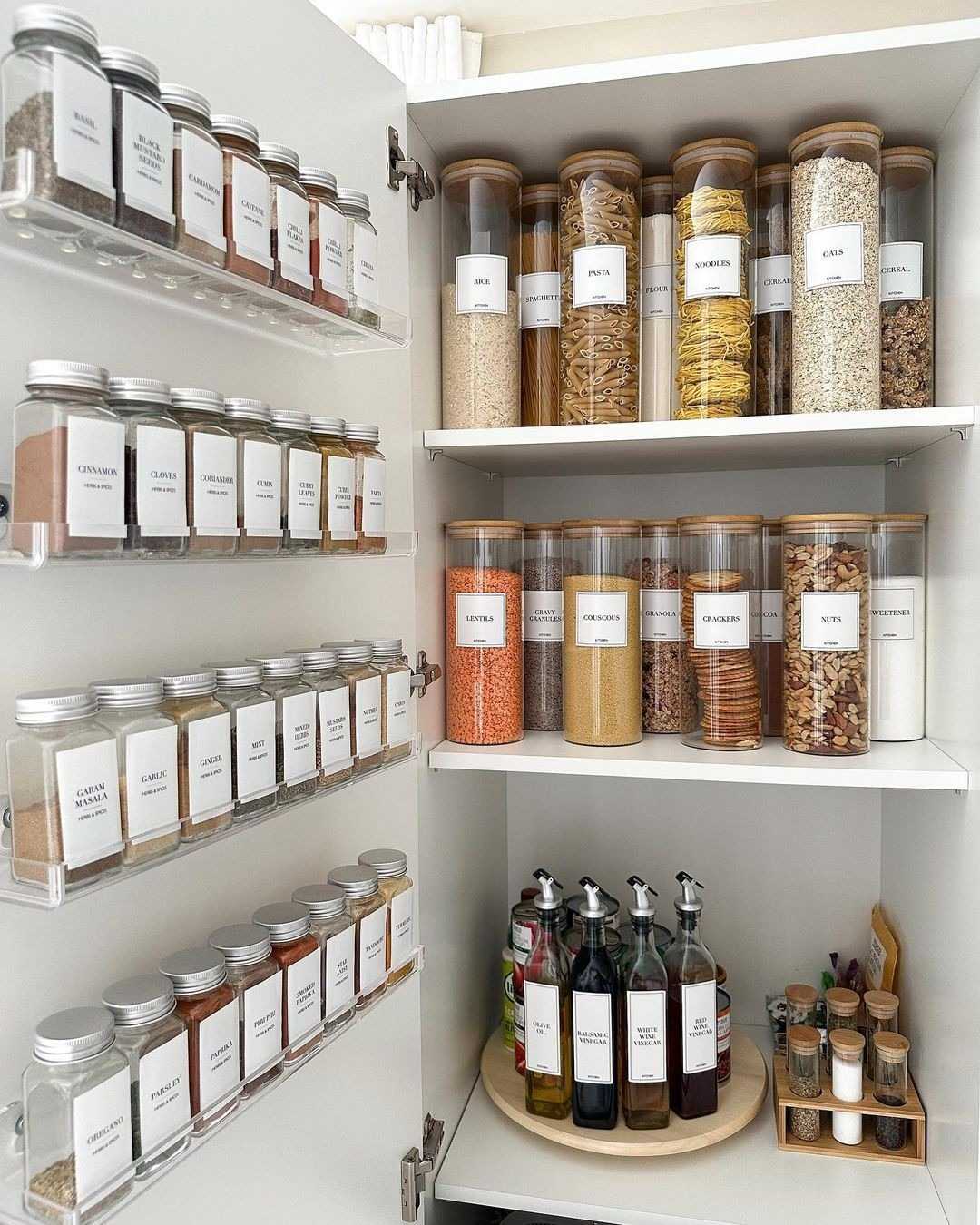
Use containers to clarify food storage rather than lose information
The source recommends stackable containers to reduce awkward packaging. Choose food-appropriate containers and retain the product identity, allergen details, dates, and preparation instructions as needed. Label the contents and avoid topping up an old batch indefinitely. Baskets can group tea or coffee on a shelf while keeping the counter available for cooking.
Connect movable storage to a parking place
The guide also describes rolling islands and narrow utility carts. Measure the cart in use and when put away, including handles and loaded shelves. A lower shelf can hold suitable grouped contents, but wheels and open storage do not make every narrow gap practical. The main advantage is adaptable capacity that returns to a defined location after the activity.
Choose the entrance function before the shoe container
Eve Mitchell's suggestions distinguish a slim shoe cabinet, a bench, and a tiered rack. Each occupies and supports the entrance differently. A cabinet can provide a small landing surface, while a bench can offer seating if the actual product is specified for it. A rack beneath coats may use an existing zone without creating another piece across the route. Compare the shoes that need daily access with the compartment dimensions and available floor space. Include boot height and the movement required to remove a pair. The second function is useful only when it remains available during normal arrivals, rather than being covered by overflow shoes.
Use category boundaries before adding more kitchen organizers
The source moves from shoe storage to decanted pantry goods, baskets, and undercounter organization. Its useful common principle is to make a retained group easier to identify and retrieve. Decanting requires suitable containers and a way to retain important product and storage information. Shelf risers use spare height but need to suit the dishes and the shelf's intended load. A turntable or pullout beneath a sink must work around the actual plumbing and preserve access to it. Do not infer that every item mentioned in a broad organizing roundup is suitable for a damp or warm cabinet. Check the particular goods' storage requirements as well as the container's dimensions.
Give movable and hidden storage a practical operating space
A cart or mobile island needs a destination when it is parked and a usable route when moved. Similarly, under-bed boxes need enough clearance to come out, while an ottoman with internal storage needs room for its lid or other access. Compare the opening movement with the surrounding furniture before counting the capacity as available. Hooks and door racks can support small categories, but the loaded arrangement must still allow the door to operate normally. Mitchell's wider set of ideas is most useful as a menu of possible locations, rather than a requirement to install every organizer. Select the location nearest the relevant activity and test a small category first. If returning the objects is awkward, a larger version of the same organizer may merely conceal the difficulty for longer. Favor a system that the household can keep using without repeatedly rearranging the room.
References
- Studio apartment storage ideas to make the most of your tiny space. Real Homes; Aida M Toro.
Real Homes' studio-storage guidance recommends slim shoe cabinets that can also serve as entry tables, or storage benches that provide seating.


Leave a Comment